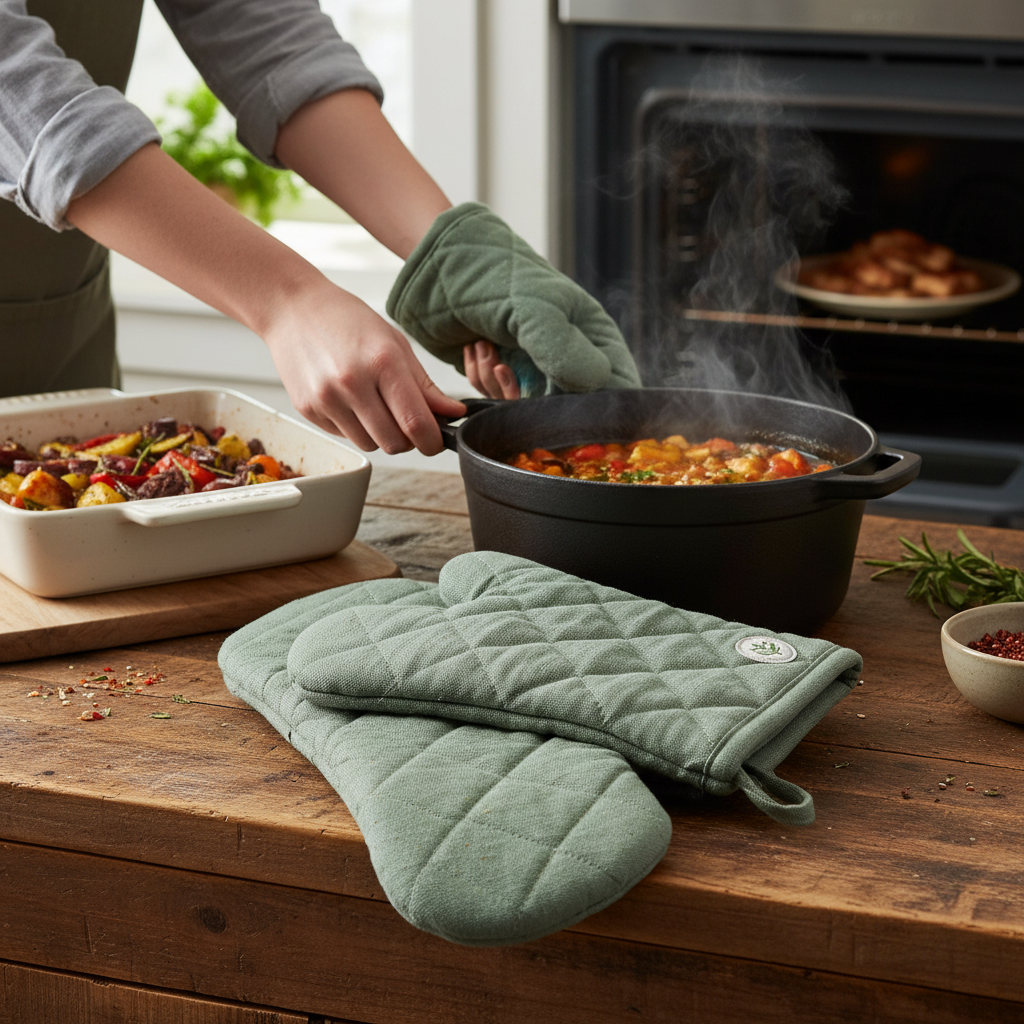
The kitchen is the heart of the home, a place for culinary creativity and delicious meals. Essential tools like oven mitts provide a crucial layer of protection, allowing us to safely handle scorching hot bakeware straight from the oven. For years, the soft, familiar feel of fabric oven mitts has been a staple in countless kitchens. Yet, beneath their seemingly innocuous exterior lies a hidden danger that every home cook must understand: the profound risk posed by wet fabric. This article will delve into the science of why damp fabric mitts are a serious burn hazard, explore common scenarios where this risk arises, compare different mitt materials, and provide a comprehensive guide to choosing and using oven mitts safely in your kitchen.
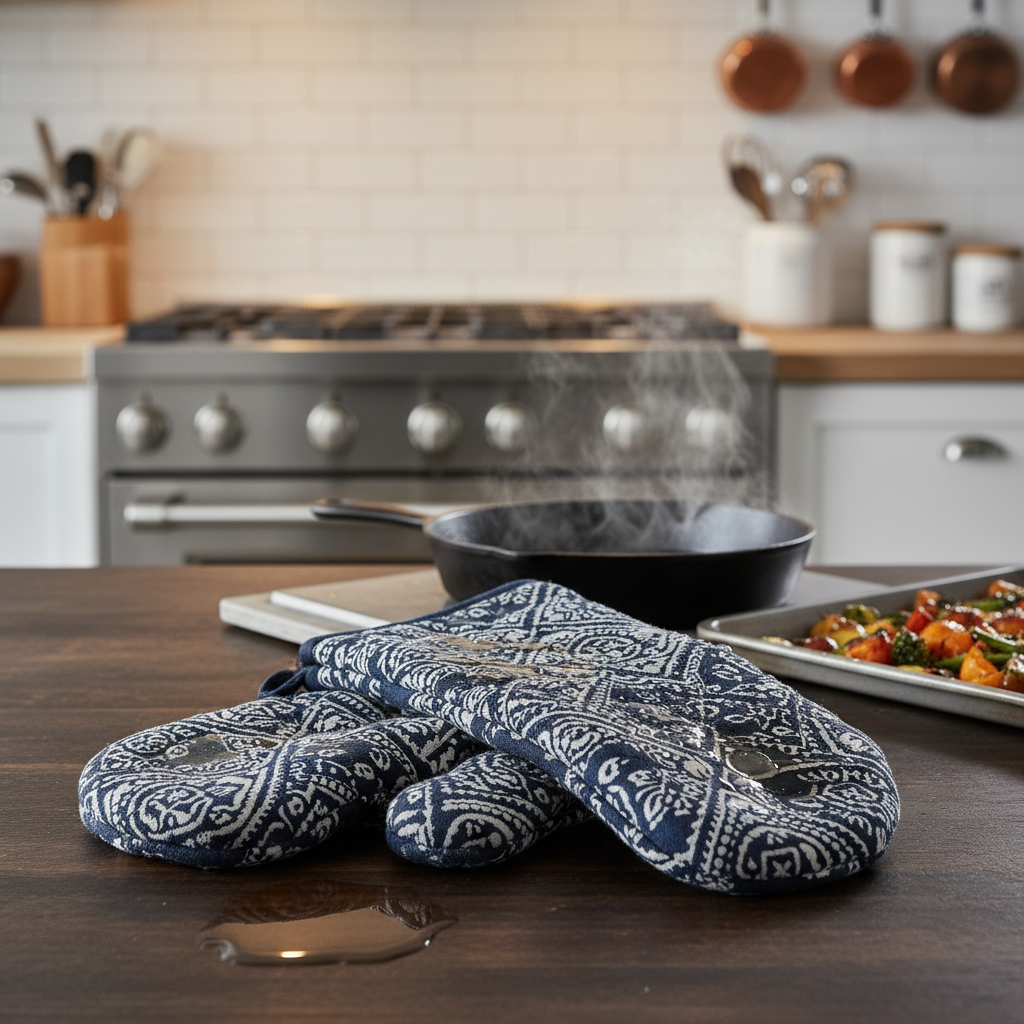
Overview of Oven Mitts and Their Importance
Oven mitts are indispensable safety equipment, designed to create a thermal barrier between your hands and extremely hot surfaces in the kitchen. Their primary role is to insulate, slowing down the transfer of heat from hot pots, pans, and oven racks to your skin, thereby preventing painful burns. From humble beginnings as simple folded cloths, oven mitts have evolved into sophisticated protective gear, incorporating various materials and designs tailored for optimal heat resistance. They are fundamental to safely executing everything from baking delicate pastries to roasting hearty dinners, enabling home cooks and professional chefs alike to maneuver hot items with confidence.
The Science Behind the Danger: Why Water Matters
The effectiveness of traditional fabric oven mitts hinges on their ability to trap air within their fibers and insulation layers. Air is a poor conductor of heat, making it an excellent insulator. When a fabric mitt is dry, these trapped air pockets create a protective buffer, significantly slowing down the rate at which heat can reach your hand.
However, this insulating property is dramatically compromised when the fabric becomes wet. Water is an exceptionally efficient conductor of heat, with a thermal conductivity up to 25 to 50 times greater than that of air. When a fabric oven mitt becomes damp, water fills these crucial air pockets. This moisture then acts as a direct conduit, rapidly transferring heat from the hot object through the mitt and directly to your skin. The result is an almost instantaneous burn. Research from Oklahoma State University (OSU) has highlighted this danger, finding that wearing a wet mitt exposed to temperatures of 350°F to 400°F (177°C to 204°C) could lead to a third-degree burn in as little as one second. The presence of water can also generate scalding steam, adding another layer of burn risk, intensifying the injury.
Common Scenarios Leading to Wet Fabric Mitts
It’s easy for fabric oven mitts to become damp, often without us even realizing the danger. Being aware of these common scenarios can help prevent accidents:
- Wet Hands: Simply putting on a fabric mitt with freshly washed or sweaty hands can introduce enough moisture to compromise its insulating capabilities.
- Steam Exposure: The release of steam from an open oven door, a boiling pot, or a hot dish can quickly saturate a fabric mitt, especially if it’s held in the path of the steam.
- Proximity to Water: Leaving mitts on countertops near the sink, dish rack, or any area prone to splashes can lead to them absorbing moisture.
- Accidental Spills: Spills of hot liquids, whether water or food, are direct sources of moisture that can instantly render a fabric mitt dangerous.
Different Types of Oven Mitts and Their Water Resistance
Understanding the pros and cons of various oven mitt materials is crucial for making informed safety choices in the kitchen.
Fabric Mitts
|
Our Picks for the Best Oven mitts in 2026
As an Amazon Associate I earn from qualifying purchases.
|
||
| Num | Product | Action |
|---|---|---|
| 1 | Heat Resistant Gloves for Cooking Thickened Silicone Coating Cotton Liner Waterproof Food Grade Graffiti-Art Printing Medium |

|
| 2 | Hovico Silicone Oven Mitts, Heat Resistant 500F Kitchen Mitts 2PCS, 11.6" BPA-Free Soft Baking Gloves, Non-Slip Grip Oven Gloves with Soft Cotton Lining for Kitchen Cooking Baking BBQ - Black |
|
| 3 | GORILLA GRIP BPA-Free Soft Silicone Oven Mitts, 550F Heat Resistant Waterproof Cooking Safety Gloves, Thick Cotton Lining, Flexible Gripping for BBQ Grilling, Kitchen Potholders Set, 12.5x8.3, Black |
|
| 4 | BPA-Free Silicone Oven Mitts Ultra Heat Resistant up to 500°F - Oven Mitts with Thick Cotton Liner - Long Slip Resistant Pot Holders, Flexible Oven Gloves - Black 13.7" |
|
| 5 | Silicone Oven Mitts (2 PCS), Waterproof Non Slip Grip Oven Gloves with Thick Soft Cotton Lining, Universal Fit Heat Resistant Kitchen Gloves for Baking, BBQ, Cooking and Grilling - White |
|
| 6 | Oven Mitts and Pan Racks 4-Piece Set, Extended Kitchen Oven Mitts and Pan Racks, Heat Resistant 500 °F, Silicone Non-Slip Surface for Baking and Cooking (Black) |
|
| 7 | KitchenAid Gingham Oven Mitt 2-Pack Set, Milkshake, 7"x13" |
|
| 8 | KitchenAid Beacon Two-Tone Non-Slip Mini Oven Mitt Set, Milkshake/Beige, 5.5"x8", 2 Piece |
|
| 9 | KEGOUU Oven Mitts and Pot Holders 6pcs Set, Kitchen Oven Glove High Heat Resistant 500 Degree Extra Long Oven Mitts and Potholder with Non-Slip Silicone Surface for Cooking (Grey) |
|
| 10 | KITCHENAID Ribbed Soft Silicone Oven Mitt 2-Pack Set, 7.5"x13", Milkshake |
|
Traditional fabric oven mitts, often made from cotton, terry cloth, or polyester blends, are cherished for their comfort, flexibility, and breathability. They offer a good range of motion, making it easy to grip different cookware. However, their primary weakness lies in their susceptibility to moisture. When wet, their insulating properties are severely diminished, making them extremely dangerous for handling hot items. Furthermore, some studies indicate that stitching on fabric mitts can be a weaker point for heat transfer.
Silicone Mitts
Silicone oven mitts have surged in popularity due to their superior heat resistance and waterproof properties. Made from food-grade silicone, these mitts create an impermeable barrier against both heat and liquids. This means they remain effective even if exposed to steam or splashes, preventing water from reaching your hands. They are also easy to clean, often just requiring a quick wipe or a cycle in the dishwasher. While they might feel a bit bulkier or offer slightly less dexterity than fabric mitts, their enhanced safety, especially in wet conditions, often outweighs these minor drawbacks.
Hybrid Mitts (Fabric and Silicone)
Hybrid oven mitts combine the best of both worlds, featuring a silicone exterior for heat and water resistance, and a fabric lining for comfort and breathability. The outer silicone layer ensures protection from splashes and direct heat, while the inner fabric keeps hands comfortable and dry. However, it’s vital to ensure the inner fabric lining doesn’t become damp, as this could still lead to a compromised barrier.
Specialized Mitts
Beyond common fabric and silicone, specialized mitts exist for extreme heat applications, often utilizing materials like aramid fibers (e.g., Kevlar, Nomex) or neoprene. These materials offer exceptional heat resistance and, in some designs, added water or chemical resistance, catering to very specific culinary or grilling needs.
Comparison Table: Oven Mitt Materials at a Glance
| Feature | Fabric Mitts | Silicone Mitts | Hybrid Mitts |
|---|---|---|---|
| Material | Cotton, polyester, terry cloth | Food-grade silicone | Silicone exterior, fabric lining |
| Heat Resistance | Moderate (compromised when wet) | High (up to 450°F / 232°C or more) | High (exterior), moderate (interior if wet) |
| Water Resistance | Poor (absorbs water, loses insulation) | Excellent (waterproof exterior) | Good (exterior), poor (interior if lining gets wet) |
| Dexterity/Grip | Good flexibility, variable grip | Often bulky, excellent non-slip grip | Blend of both, depends on design |
| Comfort | High (soft, breathable) | Can be less breathable, sometimes stiff | Good (inner fabric), outer protection |
| Ease of Cleaning | Machine washable (slower drying) | Easy wipe-clean, dishwasher safe (quick dry) | Varies, often wipe-clean exterior |
| Durability | Can thin over time | Very durable, long-lasting | Good, depends on materials |
| Safety when Wet | Extremely Dangerous | Safe (exterior), internal lining can be issue | Safer than pure fabric, caution with lining |
Buying Guide: Choosing the Right Oven Mitts for Safety
Selecting the right oven mitts involves more than just aesthetics; it’s about prioritizing safety and functionality. Here’s a guide to help you make the best choice:
- Assess Your Needs: Consider your typical cooking activities. Do you mostly bake, grill, or do light everyday cooking? If you frequently handle steamy dishes or hot liquids, waterproof options are paramount.
- Prioritize Material: For maximum safety against moisture and high heat, opt for silicone or hybrid mitts with a robust silicone exterior. If you prefer fabric, ensure it’s made from high-quality, densely woven, heat-resistant materials and always keep it completely dry.
- Check Heat Resistance: Look for the maximum temperature rating on the mitt’s packaging. Ensure it can safely withstand the highest temperatures you typically use in your oven or grill.
- Length and Fit: Choose mitts that offer adequate protection for your wrists and forearms, not just your hands. They should fit snugly enough for a secure grip, but loose enough for quick removal if needed. A good fit ensures better control and reduces the risk of dropping hot items.
- Ease of Maintenance: Select mitts that are easy to clean and dry thoroughly. Silicone mitts often wipe clean or are dishwasher-safe, while fabric mitts require complete drying after washing to maintain their insulating properties.
- Look for Warnings: Manufacturers are increasingly being urged to add clear warning labels about the dangers of using wet fabric mitts. Prioritize brands that emphasize safety instructions and material integrity.
“Many home cooks underestimate how quickly a damp fabric mitt can lead to a severe burn. The physics of heat transfer are unforgiving, and water is a highly efficient conductor. Always choose safety first.” – Dr. Elena Petrova, Thermal Dynamics Specialist
Tips for Safe Usage and Care of Oven Mitts
Even the best oven mitts require proper usage and care to ensure maximum safety and longevity.
- Always Ensure Mitts are Completely Dry: This is the most critical rule. Before reaching into a hot oven or handling hot cookware, double-check that your fabric oven mitts are bone dry, both inside and out. If in doubt, use a different, dry pair.
- Keep a Spare Pair Handy: Accidents happen, and mitts can get wet unexpectedly. Having a second dry pair readily available ensures you’re never tempted to use a damp one.
- Store Away from Wet Areas: Designate a dry, easily accessible spot for your oven mitts, away from the sink, dishwasher, or any other source of moisture.
- Clean Regularly and Dry Thoroughly: Wash fabric mitts according to their care instructions. Crucially, allow them to air dry completely, or machine dry on a low setting, ensuring all layers of insulation are free of moisture before their next use. Silicone mitts should be wiped clean or washed and dried after each use.
- Inspect for Wear and Tear: Regularly check your oven mitts for holes, thinning fabric, fraying, or any signs of damage. Worn-out mitts offer reduced protection and should be replaced immediately.
Conclusion
The hidden danger of wet fabric oven mitts is a critical kitchen safety concern that every cook must take seriously. The science is clear: water’s exceptional ability to conduct heat renders traditional fabric insulation ineffective, turning a protective tool into a potential burn hazard within seconds. By understanding the risks, recognizing common pitfalls, and making informed choices about the materials and care of your oven mitts, you can significantly enhance your kitchen safety. Prioritizing dry, high-quality mitts, especially those made from silicone or with robust waterproof exteriors, is not just a recommendation—it’s an essential practice for protecting yourself and your loved ones from severe burns. What steps will you take to ensure your kitchen remains a safe space for all your culinary adventures?
Frequently Asked Questions
Can I use a damp towel instead of an oven mitt?
No, a damp towel is highly dangerous as water conducts heat rapidly, leading to severe burns quickly. Its insulating properties are practically nonexistent when wet.
How quickly can a wet fabric oven mitt cause a burn?
Research shows that a third-degree burn can occur in as little as one second when a wet fabric mitt is exposed to temperatures of 350-400°F (177-204°C). The rapid heat transfer through water is the primary cause.
Are all fabric oven mitts dangerous when wet?
Yes, any fabric oven mitt that absorbs water will lose its insulating properties and become dangerous due to water’s high thermal conductivity. The type of fabric does not change this fundamental physical property.
What are the safest oven mitt materials?
Silicone and heat-resistant synthetic fibers (like aramid) are generally considered the safest, especially when dealing with moisture, as they are often waterproof or highly water-resistant and do not absorb liquids.
How do I properly dry a fabric oven mitt?
After washing, ensure fabric mitts are thoroughly air-dried or machine-dried on a low setting until no moisture remains, especially within the insulation layers, which can take longer than the surface fabric.
Why does water conduct heat so much faster than air?
Water molecules are much denser and more efficient at transferring thermal energy through direct contact and convection compared to air, which primarily insulates by trapping pockets of still air that impede heat flow.
Should I replace my old fabric oven mitts?
Consider replacing old fabric mitts, especially if they are worn, stained, or frequently exposed to moisture. Upgrading to newer, perhaps silicone or hybrid options, can provide enhanced and more reliable safety.