The trusty oven mitts in your kitchen are often the unsung heroes, silently protecting your hands from scorching hot pans and baking sheets. But like all kitchen tools, they don’t last forever. Over time, wear and tear can significantly compromise their heat resistance, turning a reliable shield into a potential hazard. Knowing how to accurately test the heat limit of your old oven mitts isn’t just about kitchen efficiency; it’s about safeguarding yourself from painful burns. This guide will walk you through practical, at-home testing methods, explain what to look for, and help you determine when it’s time to invest in a new pair.
The Silent Threat: Why Old Oven Mitts Fail
Even the highest quality oven mitts will degrade over time, a process that can often go unnoticed until it’s too late. Repeated exposure to high temperatures, frequent washing, and general use can break down the insulating materials within the mitt. What was once a thick, protective barrier can become thin and compressed, allowing heat to transfer much more quickly to your hand. This hidden damage poses a significant risk, as a mitt that once felt safe at 400°F might now only offer minimal protection for a few seconds. Using compromised mitts increases your risk of burns, accidental drops of hot dishes, and general kitchen mishaps. It’s crucial to be aware of this gradual decline to prevent dangerous situations in your culinary space.
Essential Safety First: Preparing for Your Test
Before you begin any heat resistance tests, safety should be your top priority. Working with hot objects and open flames carries inherent risks that can quickly escalate without proper precautions. Start by clearing your workspace of any flammable items, clutter, or distractions. Ensure you have a controlled heat source, such as your oven or stove, ready to be set to specific temperatures.
It’s highly recommended to have a fire extinguisher easily accessible and a basic first-aid kit nearby in case of minor burns. Wear long sleeves to protect your forearms from accidental contact with hot surfaces. Additionally, consider using a kitchen thermometer to verify the actual temperature of your oven or cooking surfaces for accurate testing. Above all, never rush through the testing process; take your time, proceed with extreme caution, and prioritize your well-being.
DIY Heat Resistance Tests You Can Do At Home
You don’t need a professional lab to assess the heat resistance of your oven mitts. Several practical, at-home methods can effectively gauge their protective capabilities using common kitchen items.
Test 1: The Hot Surface Contact Test
This is one of the most straightforward and effective ways to test your oven mitts.
- Setup: Preheat your oven to approximately 400°F (200°C) and let it stabilize for at least 15-20 minutes. Place a clean oven rack or an empty metal baking sheet inside the oven during preheating to ensure it reaches the target temperature.
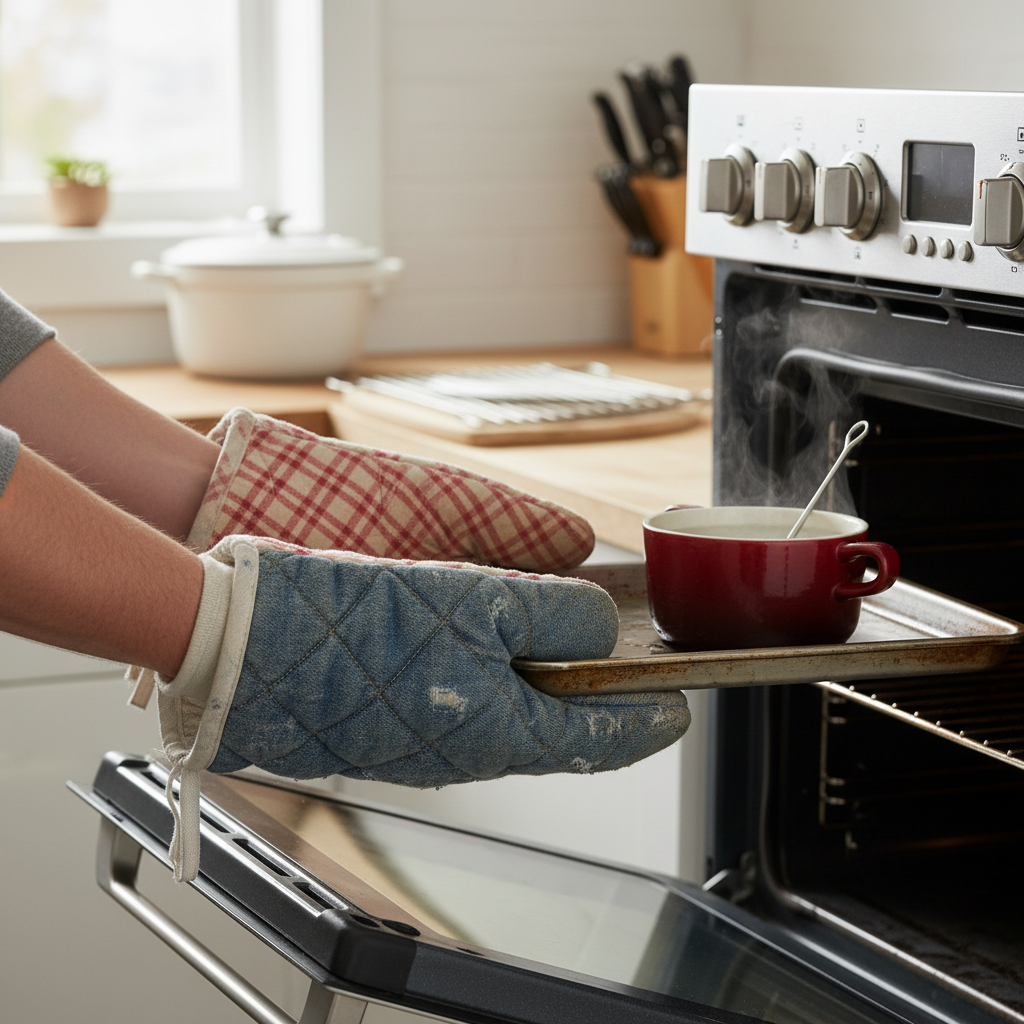
- Procedure: Once the oven is stable, carefully open the door. Wearing the oven mitt you wish to test, gently but firmly press it against the hot oven rack or baking sheet. Hold it in place for a maximum of 10 seconds.
- Interpretation: If you begin to feel any warmth or discomfort through the mitt before the 10 seconds are up, it’s a clear sign that the insulation is no longer adequate. A properly functioning mitt should shield your hand comfortably for this duration at 400°F.
|
Our Picks for the Best Oven mitts in 2026
As an Amazon Associate I earn from qualifying purchases.
|
||
| Num | Product | Action |
|---|---|---|
| 1 | KITCHENAID Ribbed Soft Silicone Oven Mitt 2-Pack Set, 7.5"x13", Milkshake |

|
| 2 | KEGOUU Oven Mitts and Pot Holders 6pcs Set, Kitchen Oven Glove High Heat Resistant 500 Degree Extra Long Oven Mitts and Potholder with Non-Slip Silicone Surface for Cooking (Grey) |
|
| 3 | Hovico Silicone Oven Mitts, Heat Resistant 500F Kitchen Mitts 2PCS, 11.6" BPA-Free Soft Baking Gloves, Non-Slip Grip Oven Gloves with Soft Cotton Lining for Kitchen Cooking Baking BBQ - Black |
|
| 4 | GORILLA GRIP BPA-Free Soft Silicone Oven Mitts, 550F Heat Resistant Waterproof Cooking Safety Gloves, Thick Cotton Lining, Flexible Gripping for BBQ Grilling, Kitchen Potholders Set, 12.5x8.3, Black |
|
| 5 | Silicone Oven Mitts (2 PCS), Waterproof Non Slip Grip Oven Gloves with Thick Soft Cotton Lining, Universal Fit Heat Resistant Kitchen Gloves for Baking, BBQ, Cooking and Grilling - White |
|
| 6 | BPA-Free Silicone Oven Mitts Ultra Heat Resistant up to 500°F - Oven Mitts with Thick Cotton Liner - Long Slip Resistant Pot Holders, Flexible Oven Gloves - Black 13.7" |
|
| 7 | Oven Mitts and Pan Racks 4-Piece Set, Extended Kitchen Oven Mitts and Pan Racks, Heat Resistant 500 °F, Silicone Non-Slip Surface for Baking and Cooking (Black) |
|
| 8 | KitchenAid Beacon Two-Tone Non-Slip Mini Oven Mitt Set, Milkshake/Beige, 5.5"x8", 2 Piece |
|
| 9 | KitchenAid Gingham Oven Mitt 2-Pack Set, Milkshake, 7"x13" |
|
| 10 | Heat Resistant Gloves for Cooking Thickened Silicone Coating Cotton Liner Waterproof Food Grade Graffiti-Art Printing Medium |
|
Test 2: The Boiling Water Dip Test
This test helps evaluate your mitt’s protection against steam and humid heat, which can be just as dangerous as dry heat.
- Setup: Fill a pot with water and bring it to a rolling boil on your stovetop.
- Procedure: Carefully put on the oven mitt. Briefly and cautiously dip your mitt-clad hand into the boiling water, keeping your hand just below the surface, for no more than 1-2 seconds. Immediately remove your hand.
- Interpretation: If you sense immediate heat or discomfort, the mitt’s ability to protect you from steam or handling hot, moist foods (like steaming vegetables or a pot of pasta) is compromised. This test is particularly important for mitts used for tasks involving liquids.
Test 3: The Direct Flame Exposure Test (for Grill Mitts)
This test is specifically for oven mitts or gloves designed for grilling, where direct flame exposure is more likely. Exercise extreme caution during this test.
- Setup: Use a gas stove burner set to a low flame.
- Procedure: Gently expose a small, non-critical portion of the oven mitt (e.g., a side seam or a less-used area) to the low flame for about 3 seconds.
- Interpretation: Observe if the material melts, singes, or burns through immediately. A good grilling mitt should withstand brief, low-flame exposure without significant damage. If you notice any melting (especially with silicone) or rapid burning of fabric, the mitt is unsafe for grill use. According to America’s Test Kitchen, top-performing mitts can shield hands for at least 15 seconds during similar trials, offering critical reaction time.
Understanding Oven Mitt Heat Ratings and Degradation
Oven mitt manufacturers typically provide a maximum temperature rating for their products, indicating the highest heat they can safely withstand. Most home cooking occurs between 350°F (177°C) and 450°F (232°C), meaning a mitt rated for at least 450°F should offer adequate protection for typical kitchen tasks. For those who frequently grill or use high-heat techniques, mitts rated for 500°F (260°C) or higher are advisable.
The materials used in oven mitts play a significant role in their performance. Traditional cotton mitts rely on their thickness and weave to trap air, providing insulation. Silicone mitts offer excellent heat resistance and flexibility, often able to withstand higher temperatures and provide better grip. Combined mitts often feature a silicone exterior for heat and grip, with a fabric lining for comfort. Insulated batting, like Insul-Bright, often contains a metalized film that reflects heat, enhancing protection, but note that such materials are typically not microwave safe.
Regardless of the material, several signs indicate your oven mitts are losing their effectiveness:
- Visible Damage: Any burns, scorch marks, tears, or holes are clear indicators of compromised protection.
- Thinning or Flattened Insulation: If your mitts feel less padded or the internal batting seems compressed, their ability to insulate has diminished.
- Increased Heat Sensation: If you notice you’re feeling heat through the mitt more quickly than before, even at moderate temperatures, it’s a critical sign of failure.
- Age and Frequent Washing: Over time, even without obvious damage, materials break down. Frequent washing, especially with harsh detergents or high heat, can accelerate the degradation of insulating fibers.
When to Replace Your Oven Mitts
Deciding when to replace your oven mitts is crucial for kitchen safety. Don’t wait for a painful burn to realize your mitts are no longer up to the task. If any of the at-home tests reveal compromised heat resistance, or if you observe any of the degradation signs mentioned above, it’s time for a replacement.
Consider the age of your mitts as well. While there’s no strict expiration date, mitts used frequently will wear out faster. Even if they appear fine, the internal materials may have lost their effectiveness. Upgrading to new mitts, especially those made with modern, high-performance materials, can significantly enhance your safety and confidence when handling hot cookware. Prioritize safety over sentimentality when it comes to these vital kitchen tools.
“Never underestimate the importance of reliable heat protection in the kitchen. A compromised oven mitt is a hazard waiting to happen; regular testing ensures your safety and confidence when handling hot cookware.” – Chef Antoine Dubois, Culinary Safety Consultant
Conclusion
Your old oven mitts are more than just kitchen accessories; they are critical safety tools that demand regular attention. By employing simple, at-home heat resistance tests, you can accurately assess their protective capabilities and identify when they’re no longer safe to use. Prioritizing safety by clearing your workspace, having emergency supplies on hand, and proceeding with caution during testing is paramount. Understanding material degradation and recognizing the tell-tale signs of a failing mitt will empower you to make informed decisions about their replacement. Don’t gamble with your safety; take a few moments to test your oven mitts today. What’s your go-to method for ensuring your kitchen safety tools are always in top shape?
Frequently Asked Questions
How often should I test my oven mitts?
It’s a good practice to test your oven mitts every six to twelve months, or immediately if you notice any visible damage, thinning, or if you’ve recently experienced discomfort while using them with hot items. Regular use and washing can accelerate material degradation.
Can I wash oven mitts? Does it affect their heat resistance?
Many fabric oven mitts are machine washable, but always check the care label. While washing cleans them, excessive washing, especially at high temperatures or with strong detergents, can break down insulating fibers over time, potentially reducing their heat resistance. Air drying is often recommended.
What’s the average lifespan of an oven mitt?
The lifespan of an oven mitt varies greatly depending on its quality, material, frequency of use, and how well it’s cared for. High-quality mitts might last several years with proper care, while cheaper or heavily used ones may need replacing annually.
Are silicone oven mitts better than cloth?
Silicone oven mitts generally offer superior heat resistance, are easier to clean, and provide a better grip, often withstanding higher temperatures than many fabric mitts. However, some users find them less flexible or bulky. Fabric mitts can offer more dexterity and comfort, but may not withstand as high temperatures or repel steam as effectively.
Can I repair a damaged oven mitt?
Minor tears in the outer fabric of a fabric oven mitt might be sewn, but any damage to the internal insulation or signs of burn-through mean the mitt’s protective integrity is compromised and it should be replaced immediately. Attempting to repair the insulation or heat barrier is not recommended for safety reasons.