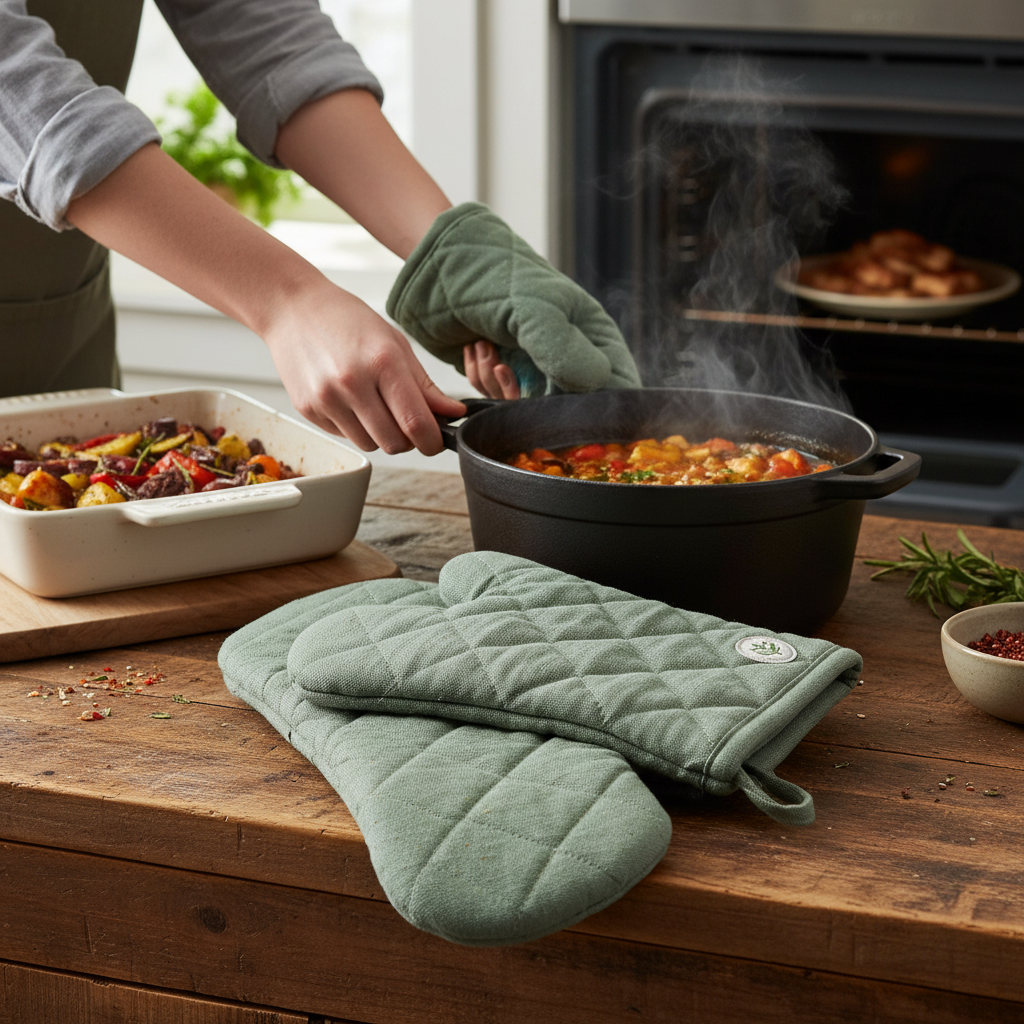
The kitchen is the heart of many homes, a place for culinary creativity, nourishing meals, and warm gatherings. Yet, it can also be a zone of potential hazards, with hot ovens and searing pans being constant companions. Amidst all the specialized tools, the humble oven mitt stands as a primary line of defense. It’s easy to overlook this essential item, perhaps opting for a budget-friendly pair from a dollar store. However, this seemingly innocuous decision can have painful and even dangerous consequences, as not all oven mitts are created equal. Investing in quality oven mitts isn’t a luxury; it’s a fundamental aspect of kitchen safety, protecting you from severe burns and ensuring a confident, enjoyable cooking experience.
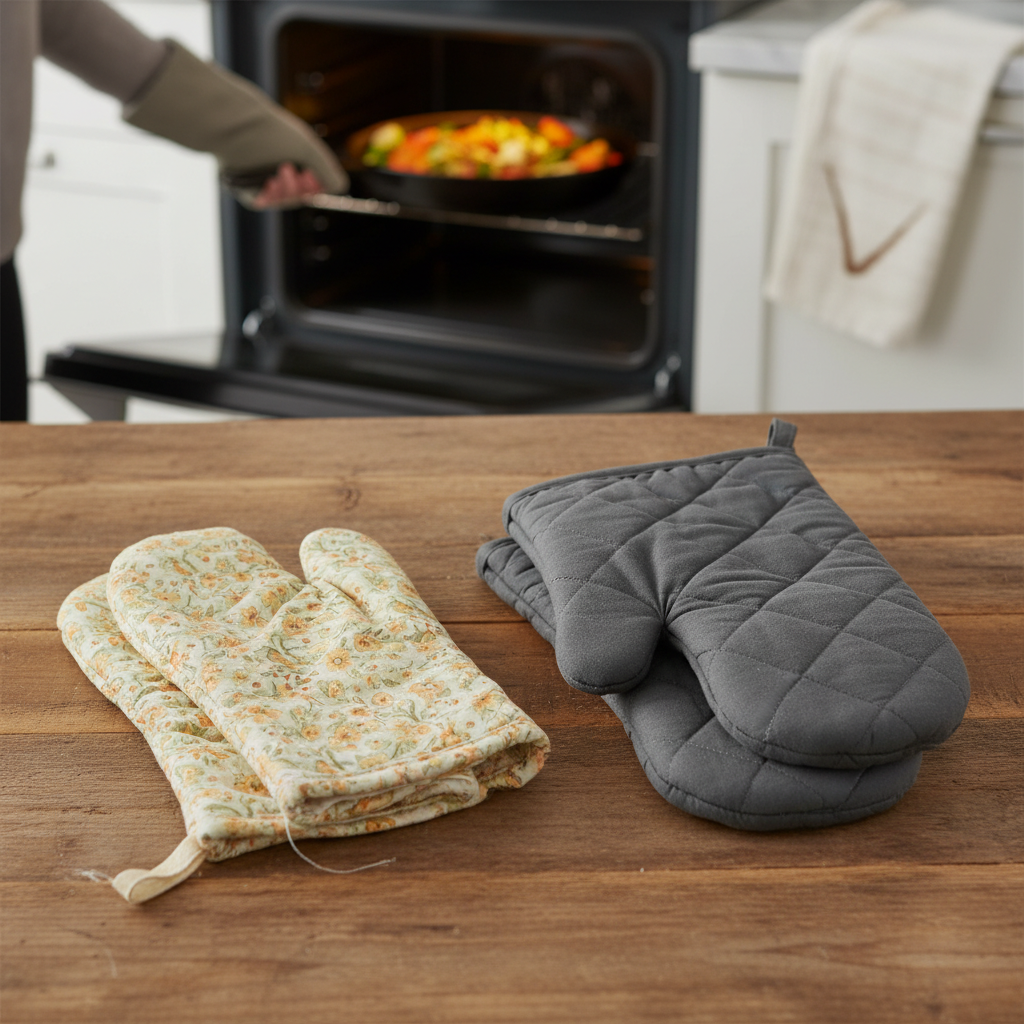
The Unseen Dangers of Cheap Oven Mitts
In the world of kitchen essentials, the adage “you get what you pay for” rings especially true for oven mitts. While the bright colors and low prices of dollar store options can be tempting, they often conceal critical safety deficiencies. These budget mitts are typically constructed from thin, low-quality fabrics and cheap padding that offer minimal protection against intense heat.
Such materials, often synthetic, are not designed to withstand high temperatures. Instead of shielding your hands, they can quickly conduct heat, or worse, melt when exposed to the scorching temperatures of an oven or hot pan. Imagine trying to retrieve a heavy casserole dish, only for the heat to penetrate the mitt within seconds, forcing you to drop it. This rapid heat transfer can lead to painful burns, turning a simple baking task into an emergency. Furthermore, cheap oven mitts are frequently poorly stitched, leading to premature wear and tear. Their lack of durability means they quickly fall apart, losing their already inadequate protective qualities and potentially failing when you need them most. Ultimately, the momentary savings from a cheap mitt are overshadowed by the significant risk of injury and the inevitable need for frequent, costly replacements.
Understanding Oven Mitts: Your Kitchen’s Essential Shield
Oven mitts have come a long way from rudimentary fabric scraps. Historically, cooks would use whatever thick material was at hand—from folded cloths to quilted pads—to shield their hands from hot surfaces. Today, modern oven mitts are engineered protective gear, specifically designed to withstand extreme temperatures and safeguard your hands and forearms from the hazards of a busy kitchen.
Their primary role extends beyond just preventing burns from direct contact with hot items. Quality oven mitts also offer crucial protection against steam burns, which can be just as severe as contact burns, and accidental splashes of boiling liquids or hot oil. By creating an insulating barrier, a good oven mitt allows you to confidently handle hot baking sheets, heavy cast-iron skillets, and bubbling casseroles, ensuring your focus remains on your culinary creation, not on avoiding injury.
A Closer Look at Oven Mitt Materials: Safety vs. Compromise
The material composition of an oven mitt is the most critical factor determining its effectiveness and safety. Different materials offer varying levels of heat resistance, grip, and durability, directly impacting your protection in the kitchen.
Fabric Oven Mitts
Traditional fabric oven mitts, often made from cotton or a blend, are popular for their comfort and familiar feel.
- Pros: They are generally soft, flexible, and affordable, making them a common choice for everyday cooking tasks at moderate temperatures.
- Cons: However, their heat resistance can be significantly lower than other materials, with heat quickly permeating thinner versions. They are also prone to absorbing moisture, which can be extremely dangerous as wet fabric conducts heat rapidly, leading to severe burns. It’s essential to ensure any fabric mitts are made from 100% cotton, as synthetic blends can melt under high heat.
|
Our Picks for the Best Oven mitts in 2026
As an Amazon Associate I earn from qualifying purchases.
|
||
| Num | Product | Action |
|---|---|---|
| 1 | KitchenAid Beacon Two-Tone Non-Slip Mini Oven Mitt Set, Milkshake/Beige, 5.5"x8", 2 Piece |

|
| 2 | GORILLA GRIP BPA-Free Soft Silicone Oven Mitts, 550F Heat Resistant Waterproof Cooking Safety Gloves, Thick Cotton Lining, Flexible Gripping for BBQ Grilling, Kitchen Potholders Set, 12.5x8.3, Black |
|
| 3 | Silicone Oven Mitts (2 PCS), Waterproof Non Slip Grip Oven Gloves with Thick Soft Cotton Lining, Universal Fit Heat Resistant Kitchen Gloves for Baking, BBQ, Cooking and Grilling - White |
|
| 4 | BPA-Free Silicone Oven Mitts Ultra Heat Resistant up to 500°F - Oven Mitts with Thick Cotton Liner - Long Slip Resistant Pot Holders, Flexible Oven Gloves - Black 13.7" |
|
| 5 | Hovico Silicone Oven Mitts, Heat Resistant 500F Kitchen Mitts 2PCS, 11.6" BPA-Free Soft Baking Gloves, Non-Slip Grip Oven Gloves with Soft Cotton Lining for Kitchen Cooking Baking BBQ - Black |
|
| 6 | Oven Mitts and Pan Racks 4-Piece Set, Extended Kitchen Oven Mitts and Pan Racks, Heat Resistant 500 °F, Silicone Non-Slip Surface for Baking and Cooking (Black) |
|
| 7 | KitchenAid Gingham Oven Mitt 2-Pack Set, Milkshake, 7"x13" |
|
| 8 | Heat Resistant Gloves for Cooking Thickened Silicone Coating Cotton Liner Waterproof Food Grade Graffiti-Art Printing Medium |
|
| 9 | KITCHENAID Ribbed Soft Silicone Oven Mitt 2-Pack Set, 7.5"x13", Milkshake |
|
| 10 | KEGOUU Oven Mitts and Pot Holders 6pcs Set, Kitchen Oven Glove High Heat Resistant 500 Degree Extra Long Oven Mitts and Potholder with Non-Slip Silicone Surface for Cooking (Grey) |
|
Silicone Oven Mitts
Silicone has revolutionized kitchen safety with its exceptional properties.
- Pros: Silicone mitts offer superior heat resistance, often capable of withstanding temperatures well over 450°F (232°C). They are waterproof, making them ideal for handling steaming pots or wet items without compromising protection. Their naturally textured surface provides an excellent, non-slip grip, significantly reducing the risk of dropping heavy or slippery dishes. Silicone is also incredibly easy to clean, usually just needing a quick wipe or rinse.
- Cons: Some users might find full silicone mitts less flexible or bulkier than fabric options, which can slightly reduce dexterity for intricate tasks.
Hybrid Oven Mitts (Fabric and Silicone/Neoprene)
Combining the best of both worlds, hybrid mitts often feature a comfortable fabric interior with an outer layer or strategically placed patches of silicone or neoprene.
- Pros: These mitts balance the soft feel and flexibility of fabric with the enhanced heat protection, grip, and liquid resistance of silicone or neoprene. They offer excellent versatility for a range of cooking tasks.
- Cons: The effectiveness of hybrid mitts can vary widely depending on the quality and placement of the different materials.
Specialty/High-Performance Mitts (Aramid Fibers like Kevlar/Nomex, Neoprene)
For those requiring extreme heat protection, specialty mitts are the professional’s choice.
- Pros: Materials like aramid fibers (Kevlar or Nomex) are renowned for their incredible heat and flame resistance, often used in industrial safety gear. These mitts can endure temperatures upwards of 900°F (480°C) and provide superior protection for grilling or intense baking. Neoprene, another specialized material, offers excellent resistance to steam and liquids, making it perfect for tasks involving boiling water or hot oil. Many high-performance gloves also prioritize dexterity, allowing for precise handling.
- Cons: These advanced materials typically come at a higher price point, making them a greater initial investment for home cooks, though their durability often provides long-term value.
The Critical Difference: Thin vs. Thick Oven Mitts
The thickness and construction of an oven mitt are fundamental to its ability to protect you from heat. Heat transfer occurs through conduction, and effective insulation is key to slowing this process down.
Thicker oven mitts are designed with multiple insulating layers, often incorporating materials that trap air, such as quilted cotton batting or specialized thermal fabrics. These layers create a substantial barrier that significantly slows down the transfer of heat from a hot object to your hand. This delay in heat penetration allows you to hold hot items for longer durations without feeling discomfort or pain, providing a crucial safety margin.
In stark contrast, thin dollar store oven mitts offer minimal material and often lack these critical insulating layers. With less mass to absorb and dissipate heat, warmth penetrates through to your skin rapidly. Many tests demonstrate that cheap, thin mitts can become painfully hot in a matter of seconds, sometimes offering less than 10 seconds of comfortable holding time with items from a standard oven. This quick heat penetration greatly increases the risk of severe burns, as there is little time to react before injury occurs. When it comes to protecting your most valuable tools in the kitchen—your hands—thickness truly matters.
Key Factors When Choosing the Right Oven Mitts
Selecting the ideal oven mitt involves considering several factors beyond just aesthetics or price. Prioritizing safety and functionality will ensure you have reliable protection for every cooking adventure.
- Heat Resistance Rating: Always check for the mitt’s stated temperature resistance. Look for mitts that can comfortably handle the maximum temperatures you typically use in your oven or on your grill, generally ranging from 400°F (200°C) to over 500°F (260°C) for most baking and roasting.
- Material: Match the material to your primary needs. Silicone is excellent for moisture and grip, while aramid fibers (like Kevlar) provide superior dry heat and flame resistance. Cotton offers comfort but may not be suitable for very high temperatures or wet conditions unless it’s very thick and multi-layered.
- Grip: A secure grip is paramount to prevent accidents. Look for mitts with textured surfaces, silicone patterns, or a flexible design that allows for confident handling of heavy, hot, or potentially greasy cookware.
- Length and Fit: Choose mitts that extend sufficiently up your forearm to protect against accidental contact with hot oven racks or splashes. A good fit—snug enough for dexterity but not so tight as to be uncomfortable—is crucial. Avoid overly baggy mitts that can cause hands to slip, making it precarious to hold hot items.
- Durability and Construction: Inspect the mitts for robust construction. Double-stitched seams, reinforced finger patches, and high-quality, abrasion-resistant exteriors indicate a longer lifespan and consistent protection. A durable mitt is a safe mitt.
- Ease of Cleaning: Since oven mitts inevitably get dirty, opting for machine-washable options simplifies maintenance and helps keep them hygienic.
- Beyond the Price Tag: While budget is always a consideration, view quality oven mitts as an investment in your safety and well-being. The cost of treating a burn far outweighs the savings from buying a cheap, ineffective mitt.
Best Practices for Oven Mitt Use and Care
Even the best oven mitts require proper usage and care to maintain their effectiveness and ensure your safety in the kitchen.
One of the most critical safety rules is to always ensure your oven mitts are dry before use. Water is an excellent conductor of heat, and a wet oven mitt can instantly transfer scorching temperatures to your hand, negating its protective qualities entirely. Dr. Adriana Petrova, an expert in oven mitt safety, has highlighted that a third-degree burn could occur in as little as one second if a wet mitt is exposed to oven temperatures of 350-400°F. Therefore, dry your hands thoroughly before donning mitts, and ensure the mitts themselves are completely dry, especially after washing or if exposed to steam.
Proper storage also contributes to longevity and hygiene. Store mitts in a clean, dry place, away from direct heat sources when not in use. This prevents accidental damage or contamination. Regularly inspect your oven mitts for any signs of wear and tear, such as thinning fabric, fraying seams, holes, or stiff spots. If a mitt shows any compromise in its integrity, it’s time for a replacement. Just like any protective gear, oven mitts have a lifespan, and continued use of a degraded mitt is a significant safety risk.
Conclusion
In the bustling environment of your kitchen, safety should always be your top priority. While the allure of inexpensive dollar store oven mitts might offer a momentary financial saving, the inherent risks far outweigh any perceived benefit. Their thin, inferior materials, inadequate insulation, and poor construction make them unreliable shields against extreme heat, leaving you vulnerable to painful and potentially serious burns.
Instead, prioritize your well-being by investing in quality oven mitts crafted from materials like silicone, aramid fibers, or thick, well-insulated cotton. Look for features such as high heat resistance, superior grip, appropriate length, and durable construction. A thoughtfully chosen pair of oven mitts will not only provide steadfast protection but also enhance your confidence and enjoyment in the kitchen for years to come. Don’t compromise when it comes to safeguarding your hands—they are your most valuable tools.
What step will you take today to upgrade your kitchen safety?
Frequently Asked Questions
Can thin oven mitts really cause serious burns?
Absolutely. Thin oven mitts lack the necessary insulating layers to effectively block high temperatures. Heat can penetrate these mitts in just a few seconds, leading to burns that can range from mild redness to severe blistering, or even third-degree injuries.
What materials are considered best for oven mitts?
The best materials for oven mitts include silicone for its excellent heat resistance, waterproof properties, and grip; aramid fibers (like Kevlar or Nomex) for extreme heat and flame resistance; and thick, multi-layered cotton or hybrid mitts combining these materials for balanced protection and comfort.
How often should I replace my oven mitts?
You should replace your oven mitts immediately if you notice any signs of wear, such as thinning fabric, fraying, holes, scorch marks, or if they no longer provide adequate heat protection. Even without visible damage, if you start to feel heat through them too quickly, it’s time for a new pair.
Are silicone oven mitts better than cloth ones?
Silicone oven mitts generally offer superior heat resistance and are waterproof, making them excellent for handling wet or steamy dishes and providing a better grip. Cloth mitts can be more flexible and comfortable, but typically offer less heat protection and are dangerous when wet. Hybrid options often combine the benefits of both.
Why is grip important in an oven mitt?
A good grip is crucial because it prevents hot, heavy, or slippery dishes from accidentally slipping from your grasp. Textured surfaces or silicone patterns on oven mitts enhance friction, ensuring a secure hold and significantly reducing the risk of dropping cookware and causing spills or further injuries.