In the heart of every bustling kitchen lies a silent guardian, essential for preventing burns and ensuring smooth cooking: the oven mitt. These seemingly simple tools play a critical role in handling scorching hot bakeware, sizzling pans, and steaming dishes. But when it comes to choosing between the traditional comfort of cotton and the modern resilience of silicone, the question of which is truly safer often arises. This comprehensive guide will delve into the characteristics of each, helping you make an informed decision for your culinary adventures.
Overview of Oven Mitts
Oven mitts are indispensable kitchen accessories designed to protect hands and forearms from the extreme temperatures encountered during cooking and baking. From their humble beginnings as improvised cloths to today’s specialized designs, oven mitts have evolved significantly. Their primary function remains the same: to create a barrier between your skin and intense heat, preventing painful burns and ensuring a secure grip on hot items. The right pair of oven mitts can dramatically enhance your kitchen safety and cooking confidence.
Popular Types of Oven Mitts
The market offers a variety of oven mitt materials, each with distinct advantages and disadvantages. Understanding these differences is key to selecting the best protection for your specific needs.
Cotton Oven Mitts
Cotton oven mitts are the classic choice, cherished for their familiar feel and flexibility.
- Advantages:
- Comfort and Flexibility: Cotton is soft, pliable, and conforms well to the hand, offering excellent dexterity for delicate tasks.
- Breathability: The natural fibers allow air circulation, reducing sweat build-up during use.
- Traditional Feel: Many cooks appreciate the familiar, fabric-like touch of cotton.
- Disadvantages:
- Lower Heat Resistance: Cotton typically provides effective protection for shorter durations and at lower temperatures (around 200°F/93°C). At higher oven temperatures, heat can quickly penetrate the fabric.
- Vulnerable to Liquids/Steam: Cotton absorbs moisture, which drastically reduces its insulating properties and can lead to steam burns or scalding if it becomes wet.
- Moderate Grip: The fabric texture can be less secure, especially with greasy or slippery bakeware.
- Shorter Lifespan: Cotton can fray, thin out, and lose its protective qualities over time and with repeated washing.
- Stain Absorption: Fabric mitts readily absorb food stains and odors.
- Best for: Quick transfers, lighter baking tasks, and when comfort and dexterity are prioritized over extreme heat or liquid protection.
|
Our Picks for the Best Oven mitts in 2026
As an Amazon Associate I earn from qualifying purchases.
|
||
| Num | Product | Action |
|---|---|---|
| 1 | GORILLA GRIP BPA-Free Soft Silicone Oven Mitts, 550F Heat Resistant Waterproof Cooking Safety Gloves, Thick Cotton Lining, Flexible Gripping for BBQ Grilling, Kitchen Potholders Set, 12.5x8.3, Black |

|
| 2 | Heat Resistant Gloves for Cooking Thickened Silicone Coating Cotton Liner Waterproof Food Grade Graffiti-Art Printing Medium |
|
| 3 | Oven Mitts and Pan Racks 4-Piece Set, Extended Kitchen Oven Mitts and Pan Racks, Heat Resistant 500 °F, Silicone Non-Slip Surface for Baking and Cooking (Black) |
|
| 4 | BPA-Free Silicone Oven Mitts Ultra Heat Resistant up to 500°F - Oven Mitts with Thick Cotton Liner - Long Slip Resistant Pot Holders, Flexible Oven Gloves - Black 13.7" |
|
| 5 | KitchenAid Gingham Oven Mitt 2-Pack Set, Milkshake, 7"x13" |
|
| 6 | Silicone Oven Mitts (2 PCS), Waterproof Non Slip Grip Oven Gloves with Thick Soft Cotton Lining, Universal Fit Heat Resistant Kitchen Gloves for Baking, BBQ, Cooking and Grilling - White |
|
| 7 | Hovico Silicone Oven Mitts, Heat Resistant 500F Kitchen Mitts 2PCS, 11.6" BPA-Free Soft Baking Gloves, Non-Slip Grip Oven Gloves with Soft Cotton Lining for Kitchen Cooking Baking BBQ - Black |
|
| 8 | KEGOUU Oven Mitts and Pot Holders 6pcs Set, Kitchen Oven Glove High Heat Resistant 500 Degree Extra Long Oven Mitts and Potholder with Non-Slip Silicone Surface for Cooking (Grey) |
|
| 9 | KitchenAid Beacon Two-Tone Non-Slip Mini Oven Mitt Set, Milkshake/Beige, 5.5"x8", 2 Piece |
|
| 10 | KITCHENAID Ribbed Soft Silicone Oven Mitt 2-Pack Set, 7.5"x13", Milkshake |
|
Silicone Oven Mitts
Silicone oven mitts represent a modern advancement, offering robust protection and innovative features.
- Advantages:
- Superior Heat Resistance: Silicone can withstand much higher temperatures, often up to 500°F (260°C) or more, for longer periods.
- Waterproof and Steam Protection: Its non-porous surface repels liquids and steam, making it ideal for handling wet dishes or preventing burns from boiling water or splatters.
- Excellent Non-Slip Grip: Textured silicone surfaces provide a secure hold on hot, slippery, or heavy items, significantly reducing the risk of drops.
- Easy to Clean: Most silicone mitts are dishwasher-safe and resist stains and odors, simplifying cleanup.
- Durability and Longevity: Highly resistant to tears, cracks, and general wear and tear, silicone mitts typically last longer than cotton alternatives.
- Disadvantages:
- Bulkiness and Stiffness: Some silicone mitts can feel bulky and less flexible, which might reduce dexterity.
- Less Breathable: The waterproof nature can lead to sweaty hands during prolonged use.
- Initial Discomfort: Without a fabric lining, pure silicone can feel less comfortable against the skin.
- Best for: High-temperature cooking, grilling, handling hot liquids, deep-frying, and when maximum protection and grip are paramount.
Hybrid Oven Mitts (Cotton and Silicone)
These innovative mitts aim to combine the best attributes of both materials.
- Advantages:
- Balanced Protection and Comfort: Typically feature a soft cotton lining for comfort and breathability, combined with a silicone exterior for superior heat resistance, waterproofing, and grip.
- Improved Dexterity: The fabric interior can enhance flexibility, while the silicone exterior ensures a secure hold.
- Disadvantages:
- Higher Cost: Combining materials can make them more expensive.
- Cleaning Complexity: While the silicone exterior is easy to wipe, the fabric lining may require machine washing and can take longer to dry if it gets wet.
- Best for: Cooks seeking a versatile solution that offers both high protection and user comfort.
Specialized Oven Mitts
For extremely high temperatures, such as those encountered in professional kitchens or during intense grilling, specialized mitts made from materials like aramid (used in firefighter gear) are available. These offer exceptional heat resistance but may be overly bulky and less practical for everyday home cooking.
Comparison Table: Cotton vs. Silicone vs. Hybrid Oven Mitts
| Feature | Cotton Oven Mitts | Silicone Oven Mitts | Hybrid Oven Mitts (Cotton & Silicone) |
|---|---|---|---|
| Heat Resistance | Moderate (up to 200°F/93°C for short bursts) | Superior (up to 500°F/260°C or higher) | Excellent (silicone exterior, cotton lining) |
| Water/Steam Protection | Poor (absorbs liquids, loses insulation) | Excellent (waterproof, repels steam/splatters) | Good (silicone exterior protects from liquids/steam) |
| Grip | Moderate (can slip on greasy/wet surfaces) | Superior (non-slip texture, secure hold) | Excellent (silicone exterior provides strong grip) |
| Comfort | High (soft, breathable) | Low to Moderate (can be stiff, less breathable) | High (cotton lining for comfort) |
| Flexibility | High | Low to Moderate (can feel bulky) | Moderate to High (fabric lining improves flexibility) |
| Cleaning | Machine washable, can stain, absorb odors, slower drying | Easy (dishwasher-safe, resists stains/odors, quick dry) | Exterior wipes clean, lining machine washable |
| Durability | Moderate (frays, thins over time) | High (resistant to tears, cracks, long lifespan) | High (durable exterior, comfortable interior) |
| Dexterity | Good | Moderate (can be bulky) | Good (improved by fabric lining) |
| Typical Use | Light baking, quick transfers | High-heat cooking, grilling, handling liquids | Versatile, combines best features for diverse tasks |
Your Guide to Choosing the Perfect Oven Mitts
Selecting the right oven mitts involves considering your cooking habits and priorities.
-
Identify Your Cooking Needs:
- Do you frequently bake at high temperatures, roast large items, or grill? Silicone or hybrid mitts offer better protection.
- Are you mostly doing quick transfers from a moderately heated oven, or prefer to handle delicate items? Cotton might be sufficient.
- Do you often work with hot liquids, steam, or greasy pans? Waterproof silicone is a significant safety advantage.
-
Evaluate Material Properties:
- Silicone stands out for superior heat resistance, waterproofing, and grip, making it a safer bet for intense heat and messy situations.
- Cotton offers unmatched comfort and flexibility but falls short on high-temperature and liquid protection.
- Hybrid designs provide a balanced approach, marrying silicone’s protective qualities with cotton’s comfort.
-
Check Heat Resistance Ratings: Always look for the maximum temperature rating and the duration for which the mitt can withstand that heat. Ensure it matches or exceeds the highest temperatures you typically use in your oven or grill.
-
Consider Length and Fit:
- Length: Longer mitts offer crucial protection for your forearms when reaching deep into ovens or over grill grates.
- Fit: The mitts should be snug enough for a secure grip but loose enough for quick removal and comfortable movement.
-
Look for Additional Features:
- Non-slip textures: Essential for safety, especially on silicone mitts.
- Water resistance: A major plus for preventing steam burns.
- Hanging loops: Convenient for storage and keeping mitts accessible.
- Inner lining: A comfortable lining (like cotton) can significantly improve the user experience of silicone mitts.
-
Brand and Price: Invest in reputable brands known for quality and safety. While silicone mitts might have a higher upfront cost, their durability often makes them a more cost-effective long-term investment.
Tips for Using and Caring for Your Oven Mitts
Maximizing the lifespan and effectiveness of your oven mitts ensures continued kitchen safety.
- Always Check for Damage: Before each use, inspect mitts for tears, thinning, or heat damage. Compromised mitts should be replaced immediately.
- Never Use Wet Cotton Mitts: Water conducts heat, so a wet cotton mitt provides no protection and can cause severe burns.
- Clean Regularly:
- Silicone: Most silicone mitts can be wiped clean with soap and water or placed in the dishwasher.
- Cotton & Hybrid: Follow manufacturer instructions; typically machine washable. Ensure they are thoroughly dry before use, especially hybrid mitts where the fabric lining can retain moisture.
- Store Properly: Hang mitts by loops or store them in a clean, dry, and easily accessible location, away from direct heat sources.
“Safety in the kitchen starts with reliable tools. Choosing the right oven mitt is more than a convenience; it’s a critical safety measure that can prevent serious burns.”
Conclusion
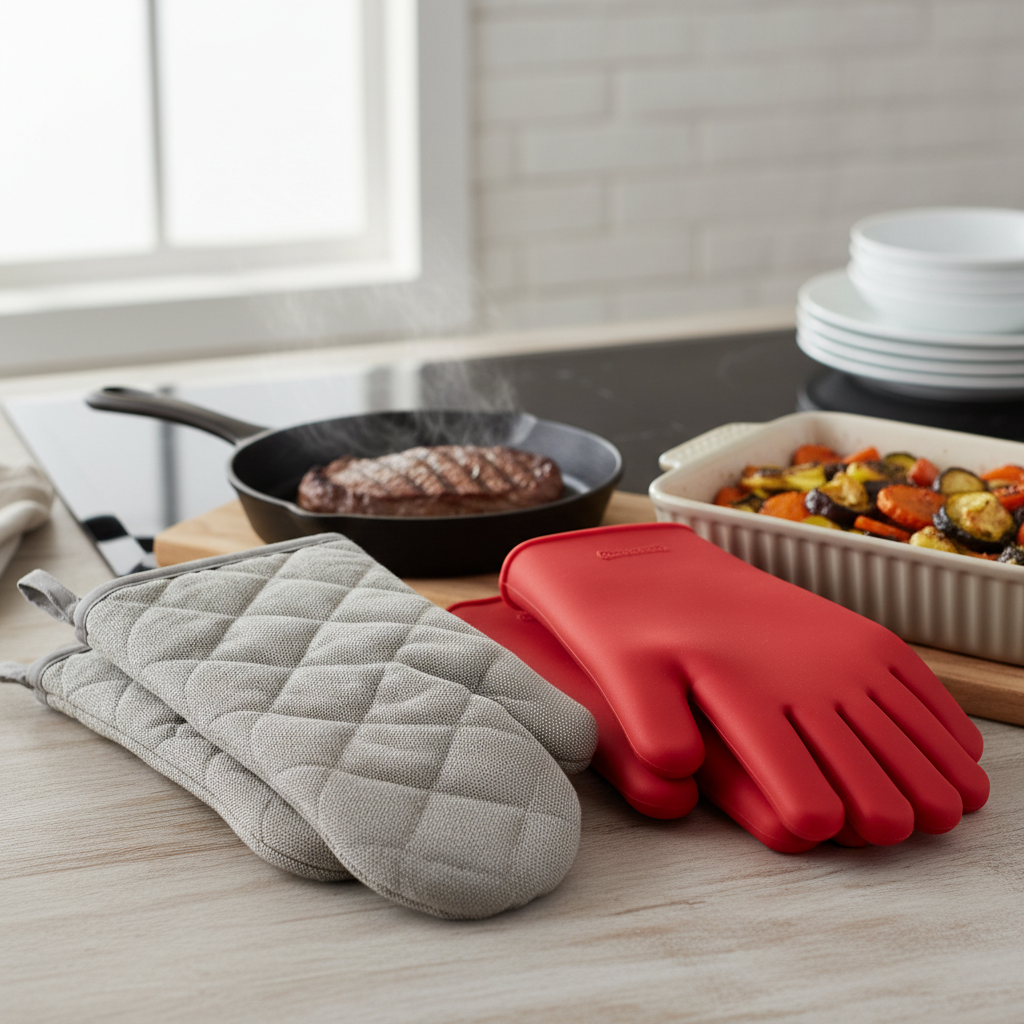
When evaluating silicone vs. cotton oven mitts for safety, silicone generally emerges as the superior choice due to its higher heat resistance, waterproof nature, and exceptional grip, particularly for high-temperature cooking, liquids, and steam. Cotton offers comfort and flexibility but has limitations in extreme heat and when wet. Hybrid mitts provide a compelling balance, combining the best features of both. Ultimately, the safest choice depends on your individual cooking style and the specific demands of your kitchen. Prioritizing quality and understanding the strengths and weaknesses of each material will empower you to select the perfect pair of oven mitts, keeping your hands safe and your culinary creations flawless.
What kind of cooking adventures will you embark on with your perfectly chosen oven mitts?
Frequently Asked Questions
Are silicone oven mitts truly safer than cotton?
Silicone oven mitts are generally considered safer for high-temperature tasks, wet conditions, and handling slippery items. They offer superior heat resistance, are waterproof against steam and hot liquids, and provide a much better grip compared to traditional cotton mitts. Cotton mitts are less effective at very high temperatures and lose their insulating properties when wet.
What temperature can cotton oven mitts withstand?
Traditional cotton oven mitts typically provide adequate protection for short periods up to around 200°F (93°C). However, their effectiveness diminishes quickly with prolonged exposure or at higher oven temperatures. For ovens operating at 350°F (175°C) or higher, cotton mitts may not offer sufficient protection, especially if they are thin or old.
How do I clean silicone oven mitts?
Cleaning silicone oven mitts is straightforward. Most are dishwasher-safe, allowing for easy and thorough sanitization. Alternatively, you can hand wash them with warm, soapy water and then air dry them. Their non-porous surface resists stains and odors, making maintenance simple and effective.
Can I use a wet cotton oven mitt?
No, you should never use a wet cotton oven mitt. When cotton fabric gets wet, water conducts heat rapidly, compromising the mitt’s insulating capabilities and leading to severe steam burns. Always ensure your cotton oven mitts are completely dry before handling any hot items.
Why are hybrid oven mitts popular?
Hybrid oven mitts combine a silicone exterior with a cotton lining, offering the best of both worlds. They provide the high heat resistance, waterproof quality, and excellent grip of silicone, along with the comfort, breathability, and flexibility of cotton. This makes them a versatile and popular choice for cooks who want comprehensive protection without sacrificing comfort.