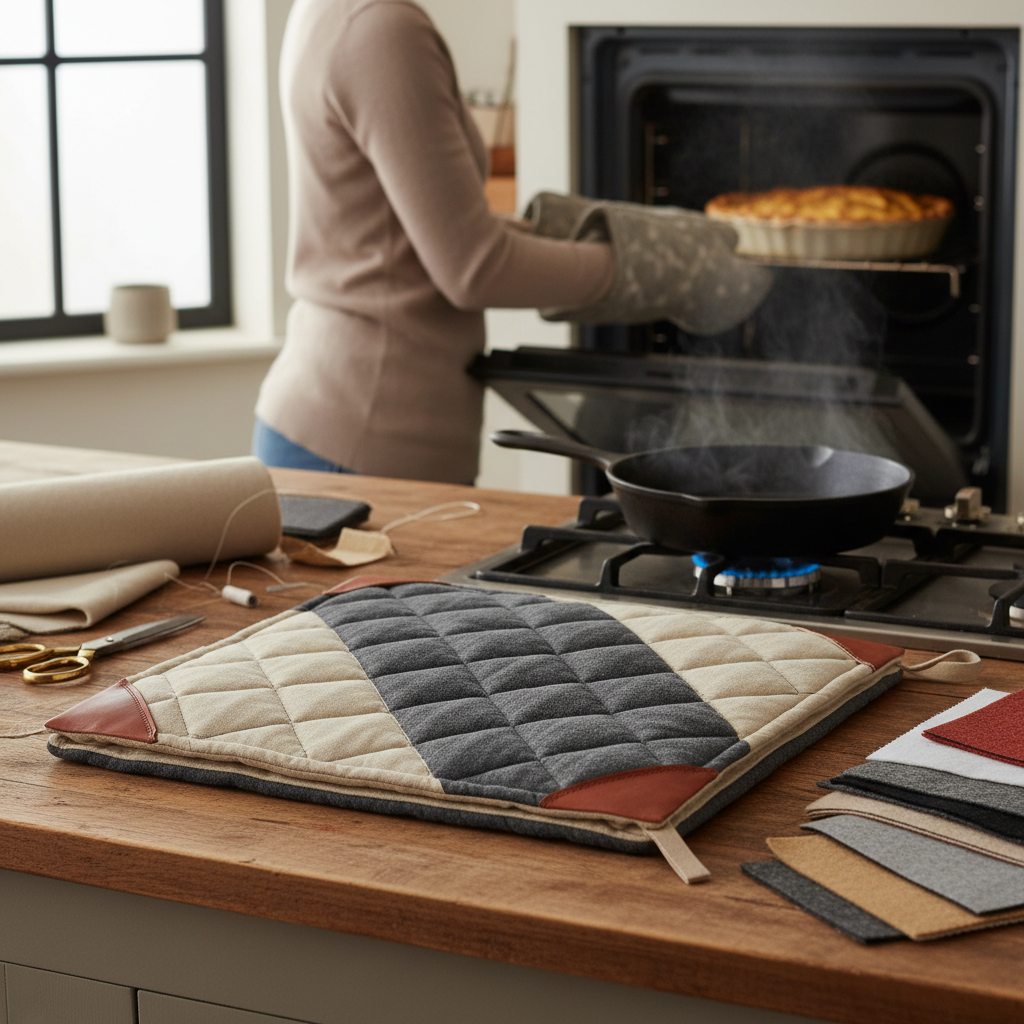
In the bustling heart of any kitchen, oven mitts stand as silent guardians, shielding your hands from the intense heat of ovens, stovetops, and sizzling cookware. They are indispensable tools, but like all kitchen essentials, they have a lifespan. Recognizing when your trusty oven mitts are past their prime isn’t just about maintaining a tidy kitchen; it’s crucially about ensuring your safety and preventing painful burns. Ignoring the subtle or blatant signs of wear can turn a protective barrier into a hazardous liability.
The Indispensable Role of Oven Mitts in Your Kitchen
Oven mitts have evolved significantly from simple cloth rags to highly engineered heat-resistant gloves, becoming a cornerstone of kitchen safety. Their primary purpose is straightforward: to insulate your hands from high temperatures, allowing you to safely handle hot dishes, trays, and pots. Whether you’re a seasoned chef or a casual home cook, the importance of reliable hand protection cannot be overstated. A good pair of oven mitts offers peace of mind, allowing you to focus on culinary creativity without fearing a trip to the emergency room.
Popular Types of Oven Mitts and Their Lifespan Considerations
Understanding the different materials used in oven mitts can help you anticipate their durability and when they might need replacing.
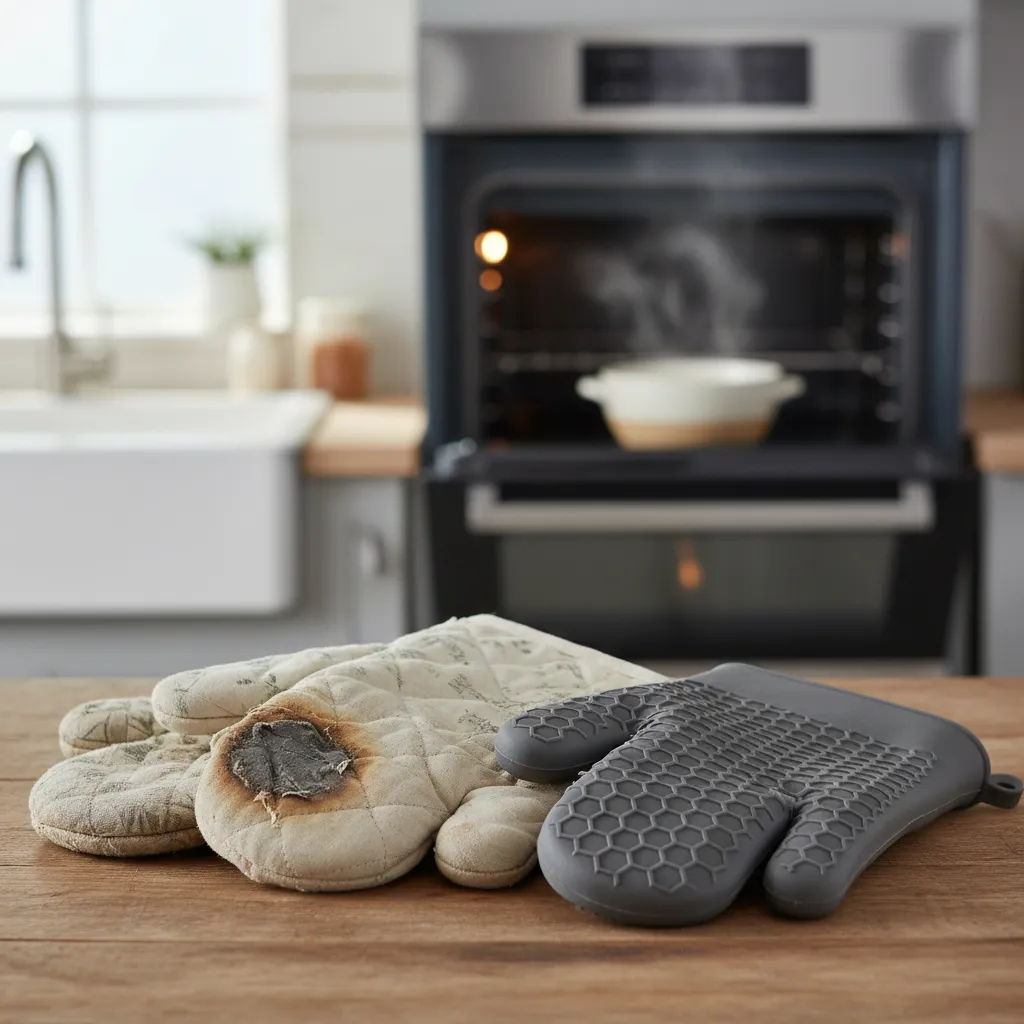
- Fabric Oven Mitts: Typically made from cotton, canvas, or quilted blends, these are classic choices known for their flexibility and comfort. While soft and easy to maneuver, fabric mitts can absorb spills, stain easily, and their insulating layers can compress or wear down over time, reducing heat resistance. They often show visible signs of wear sooner than other types.
- Silicone Oven Mitts: Modern kitchens frequently feature silicone mitts, prized for their superior heat resistance and waterproof properties. They are easy to clean and often more durable against high temperatures. However, silicone can sometimes feel stiff or offer less dexterity, and while resistant to tearing, they can melt or harden if exposed to extreme, prolonged heat or direct flame, indicating a need for replacement.
- Combined Material Oven Mitts: Some mitts blend materials, like a fabric exterior with a silicone grip or lining. These aim to combine the best features of both, offering enhanced heat protection and improved dexterity. Their lifespan will depend on the quality and wear of both component materials.
- Specialized High-Heat Mitts: Designed for grilling or professional use, these often incorporate aramid fibers (like Kevlar and Nomex) for extreme heat resistance. These are built for longevity but still require inspection for wear, as even the strongest materials can degrade under constant stress.
|
Our Picks for the Best Oven mitts in 2026
As an Amazon Associate I earn from qualifying purchases.
|
||
| Num | Product | Action |
|---|---|---|
| 1 | KEGOUU Oven Mitts and Pot Holders 6pcs Set, Kitchen Oven Glove High Heat Resistant 500 Degree Extra Long Oven Mitts and Potholder with Non-Slip Silicone Surface for Cooking (Grey) |

|
| 2 | Silicone Oven Mitts (2 PCS), Waterproof Non Slip Grip Oven Gloves with Thick Soft Cotton Lining, Universal Fit Heat Resistant Kitchen Gloves for Baking, BBQ, Cooking and Grilling - White |
|
| 3 | KITCHENAID Ribbed Soft Silicone Oven Mitt 2-Pack Set, 7.5"x13", Milkshake |
|
| 4 | BPA-Free Silicone Oven Mitts Ultra Heat Resistant up to 500°F - Oven Mitts with Thick Cotton Liner - Long Slip Resistant Pot Holders, Flexible Oven Gloves - Black 13.7" |
|
| 5 | KitchenAid Gingham Oven Mitt 2-Pack Set, Milkshake, 7"x13" |
|
| 6 | KitchenAid Beacon Two-Tone Non-Slip Mini Oven Mitt Set, Milkshake/Beige, 5.5"x8", 2 Piece |
|
| 7 | GORILLA GRIP BPA-Free Soft Silicone Oven Mitts, 550F Heat Resistant Waterproof Cooking Safety Gloves, Thick Cotton Lining, Flexible Gripping for BBQ Grilling, Kitchen Potholders Set, 12.5x8.3, Black |
|
| 8 | Hovico Silicone Oven Mitts, Heat Resistant 500F Kitchen Mitts 2PCS, 11.6" BPA-Free Soft Baking Gloves, Non-Slip Grip Oven Gloves with Soft Cotton Lining for Kitchen Cooking Baking BBQ - Black |
|
| 9 | Oven Mitts and Pan Racks 4-Piece Set, Extended Kitchen Oven Mitts and Pan Racks, Heat Resistant 500 °F, Silicone Non-Slip Surface for Baking and Cooking (Black) |
|
| 10 | Heat Resistant Gloves for Cooking Thickened Silicone Coating Cotton Liner Waterproof Food Grade Graffiti-Art Printing Medium |
|
Clear Signs It’s Time to Replace Your Oven Mitts
Your oven mitts might not come with an expiry date, but they certainly give off clear signals when their protective capabilities are compromised. Paying attention to these signs is vital for preventing burns and maintaining a safe cooking environment.
1. You Can Feel the Heat Through Them
This is arguably the most critical and alarming sign. If you find yourself instinctively pulling your hand away from a hot pan because you can feel the heat seeping through your mitt, it’s an immediate red flag. This indicates that the insulating layers within the mitt have degraded, compressed, or worn thin. The primary function of an oven mitt is to block heat, and once that function is compromised, it poses a direct burn risk. Don’t second-guess this feeling; it’s your body telling you your protection is insufficient.
2. Visible Wear and Tear: Tears, Holes, and Fraying
Physical damage is an obvious indicator that your oven mitts need to go. Look for:
- Tears or Rips: Even small tears can expose the inner insulating material, creating weak points where heat can quickly penetrate.
- Holes: Whether from a sharp edge or repeated friction, a hole is a direct pathway for heat to reach your skin.
- Significant Fraying: Excessive fraying, especially at the seams or fingertips, suggests the material is breaking down and losing its structural integrity. This is particularly common with fabric mitts.
Such damage reduces the effective barrier between your hand and scorching surfaces, making them dangerous to use.
3. Thinning Fabric or Compressed Insulation
Even if there are no outright holes, fabric mitts can become noticeably thinner and less bulky over time. The internal padding or quilting can compress from repeated use and washing, losing its loft and, consequently, its insulating power. For silicone mitts, excessive bending or stress can lead to “thin spots” where the material is stretched and weaker. Hold your mitts up to the light; if they look significantly less dense than they once did, their protective capacity is likely diminished.
4. Stubborn Stains and Lingering Odors
Kitchen life is messy, and oven mitts are bound to get stained. While many stains can be washed out, persistent grease stains and lingering, unpleasant odors are problematic.
- Grease Buildup: Deeply absorbed grease, especially in fabric mitts, can be difficult to remove and may even become a fire hazard, as grease is flammable. If your mitts feel perpetually greasy or stiff despite washing, it’s time to replace them.
- Unpleasant Odors: Foul smells that persist after cleaning can indicate bacterial growth or embedded food particles, making the mitts unhygienic for food preparation areas.
5. Loss of Grip or Increased Stiffness
Effective oven mitts provide a secure grip on hot, heavy, and often slippery bakeware.
- Slippery Surface: If the surface of your mitt (especially the palm or fingers) has become smooth, worn, or greasy, it can lose its grip, increasing the risk of dropping hot items. This is particularly dangerous when handling heavy roasters or delicate glassware.
- Stiffness or Loss of Dexterity: Some older oven mitts, particularly those made of certain fabrics or poorly maintained silicone, can become stiff and unwieldy. This reduces your ability to confidently grasp items, potentially leading to accidents. Silicone mitts can also harden or become brittle after prolonged heat exposure.
6. Melted or Hardened Spots (for Silicone Mitts)
While silicone is highly heat-resistant, it’s not invincible. Direct exposure to very high temperatures, especially sustained contact with heating elements, can cause silicone to melt, scorch, or harden. Any area on a silicone mitt that feels stiff, brittle, or has a visibly altered texture should be considered compromised and indicates a need for immediate replacement. These damaged spots no longer offer reliable protection.
7. General Age and Frequent Use
Even if your oven mitts don’t show obvious signs of damage, their materials degrade over time, especially with frequent use and washing. The internal fibers break down, and the overall insulating capability diminishes subtly. While there’s no hard-and-fast rule, many experts suggest replacing fabric oven mitts every 2-5 years, depending on usage frequency. Silicone mitts often last longer but should still be inspected regularly. If you can’t remember when you bought them, or they’ve been a kitchen staple for many years, it’s probably wise to consider an upgrade.
Tips for Extending the Life of Your Oven Mitts
While replacement is inevitable, proper care can prolong the life and effectiveness of your oven mitts:
- Wash Regularly: Follow manufacturer instructions for cleaning. Most fabric mitts are machine washable; silicone mitts can often be hand-washed or wiped clean. Regular washing removes grease and food particles that can degrade material over time.
- Air Dry Completely: Ensure mitts are fully dry before storing to prevent mildew and odors.
- Know Their Limits: Be aware of the maximum temperature rating of your mitts and avoid prolonged contact with direct heat sources or heating elements.
- Use for Intended Purpose: Don’t use oven mitts as pot holders for extremely hot surfaces for extended periods if they’re not designed for it, and vice versa.
- Store Properly: Keep mitts in a clean, dry place away from direct heat or open flames.
“Your oven mitts are your last line of defense against painful burns. Don’t wait until you get singed to realize they’ve failed you. Regular inspection and timely replacement are non-negotiable for kitchen safety.” – Chef Isabella Rossi, Culinary Safety Expert
Conclusion
Your oven mitts are more than just kitchen accessories; they are critical safety tools that protect you every time you reach into a hot oven or handle a searing pan. The signs are usually clear: if you feel the heat, see physical damage, notice thinning insulation, or can’t get rid of stubborn stains and smells, it’s time to say goodbye. Prioritizing the condition of your oven mitts ensures a safer, more enjoyable cooking experience for everyone in your home. Take a moment to inspect your mitts today. Are they still providing the protection you need, or is it time for an upgrade?
Frequently Asked Questions
How often should I replace my oven mitts if they look fine?
Even if they appear fine, the internal insulation of fabric oven mitts can degrade over time and with frequent washing, typically warranting replacement every 2-5 years depending on usage. Silicone mitts are more durable but should still be checked for hardening or subtle damage every few years.
Can persistent grease on oven mitts be a fire hazard?
Yes, deeply embedded grease and oils in fabric oven mitts can become flammable. If your mitts remain greasy after washing, it’s a significant fire risk, especially when exposed to high heat. Replace them to ensure safety.
Is it safe to use a kitchen towel instead of an oven mitt if my mitts are worn out?
While a thick, folded kitchen towel can offer very temporary, emergency protection, it is not a substitute for a proper oven mitt. Towels lack the dedicated insulation and secure grip of mitts, making them less safe for handling hot items from the oven or stovetop.
How do I properly wash my oven mitts to extend their life?
For fabric mitts, machine wash them in warm or hot water with detergent, similar to towels. Air dry or tumble dry on low. For silicone mitts, hand wash with soap and water, or check if they are dishwasher safe. Always ensure they are completely dry before storing to prevent mildew.
What should I look for when buying new oven mitts?
When purchasing new oven mitts, prioritize good heat resistance (check the temperature rating), appropriate length to protect your forearms, a comfortable and secure grip, and durable, easy-to-clean materials like high-quality cotton or silicone. Consider mitts that offer good dexterity for handling various cookware.