The warmth of a gas stove flame is a familiar comfort to home cooks and professional chefs alike. Yet, with that powerful heat comes an inherent risk, particularly when handling scorching hot cookware. Accidents involving burns are all too common in the kitchen, and the direct exposure to open flames from gas burners elevates this danger. This comprehensive guide is dedicated to helping you navigate the world of oven mitts, specifically focusing on flame-retardant options that offer superior protection for users of gas stoves. We’ll explore the various types, essential features, and crucial safety considerations to ensure your hands and forearms remain safe in the heat of culinary creation.
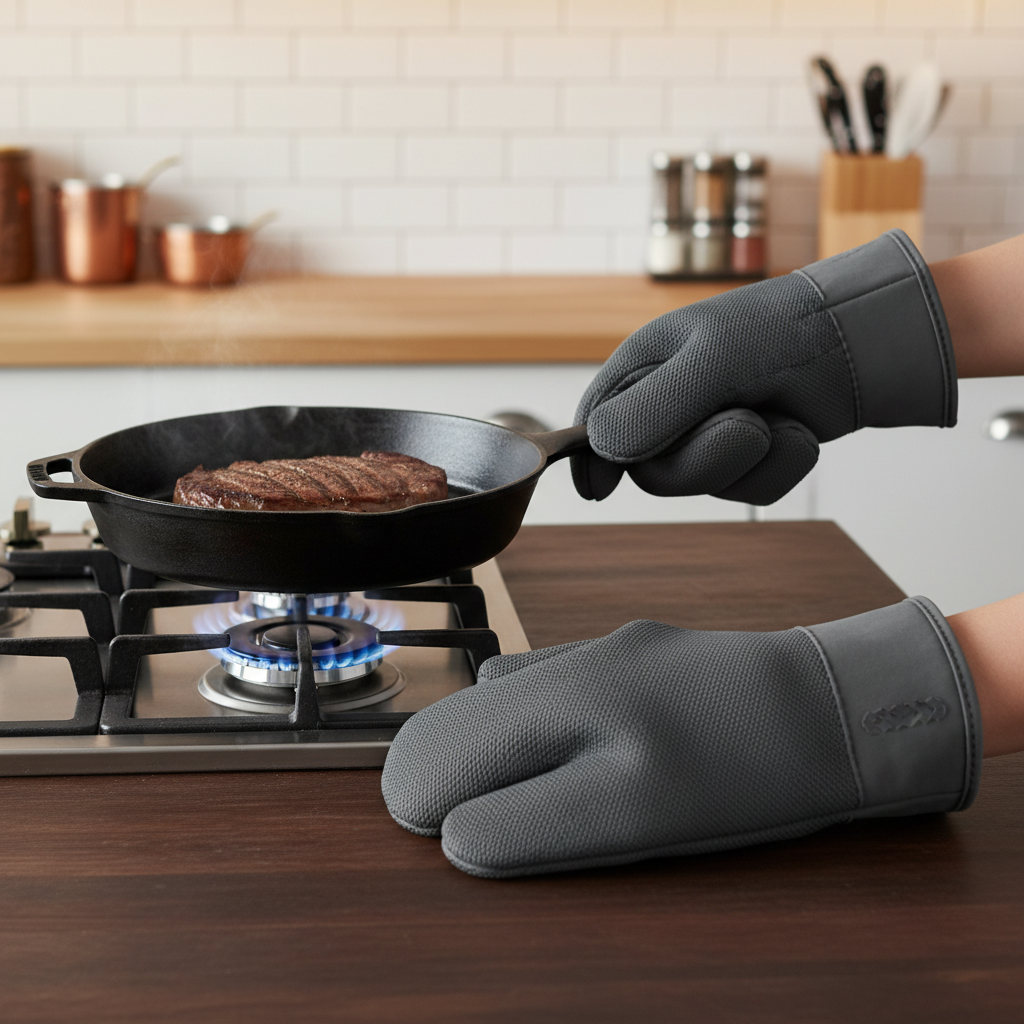
Understanding Flame-Retardant Oven Mitts
Oven mitts are indispensable kitchen tools, providing a vital barrier between your hands and dangerously hot surfaces. They have evolved significantly from rudimentary fabric cloths used in early kitchens, transforming into sophisticated protective gear designed with advanced materials and engineering. Today’s oven mitts are crafted to shield against extreme temperatures, but for those who rely on gas stoves, a specific characteristic becomes paramount: flame retardancy.
While all oven mitts aim to be heat resistant, not all are designed to be truly flame retardant. Heat resistance refers to a material’s ability to withstand high temperatures without transferring heat to your skin. Flame retardancy, on the other hand, describes a material’s capacity to resist ignition and prevent the spread of flames when exposed directly to fire. This distinction is critical when working with gas stoves, where open flames are a constant presence. A flame-retardant mitt will char or self-extinguish rather than igniting and contributing to a fire hazard, offering an added layer of safety against unexpected flare-ups or accidental contact with a burner.
Types of Flame-Retardant Oven Mitts
The market offers a diverse range of oven mitts, each with unique properties suited for different cooking scenarios. Understanding these types is the first step in selecting the best protection for your gas stove.
Fabric Oven Mitts (with specialized treatment)
Traditional fabric oven mitts, typically made from cotton or terry cloth, are known for their comfort and flexibility. While often offering good insulation against heat, standard fabric mitts can be susceptible to igniting when exposed to direct flame. However, many modern fabric mitts incorporate specialized flame-retardant treatments or are blended with synthetic fibers to enhance their safety profile.
- Pros: Generally offer excellent dexterity and a comfortable fit, allowing for a natural grip on various cookware. They are often machine washable and widely available.
- Cons: Even with treatments, their flame resistance might be less robust than specialized synthetic materials, and they can absorb liquids, compromising their insulating properties.
- Best for: Everyday baking and light handling tasks where direct and prolonged flame exposure is minimal, provided they are explicitly labeled as flame retardant.
|
Our Picks for the Best Oven mitts in 2026
As an Amazon Associate I earn from qualifying purchases.
|
||
| Num | Product | Action |
|---|---|---|
| 1 | KitchenAid Beacon Two-Tone Non-Slip Mini Oven Mitt Set, Milkshake/Beige, 5.5"x8", 2 Piece |

|
| 2 | Hovico Silicone Oven Mitts, Heat Resistant 500F Kitchen Mitts 2PCS, 11.6" BPA-Free Soft Baking Gloves, Non-Slip Grip Oven Gloves with Soft Cotton Lining for Kitchen Cooking Baking BBQ - Black |
|
| 3 | KITCHENAID Ribbed Soft Silicone Oven Mitt 2-Pack Set, 7.5"x13", Milkshake |
|
| 4 | KEGOUU Oven Mitts and Pot Holders 6pcs Set, Kitchen Oven Glove High Heat Resistant 500 Degree Extra Long Oven Mitts and Potholder with Non-Slip Silicone Surface for Cooking (Grey) |
|
| 5 | GORILLA GRIP BPA-Free Soft Silicone Oven Mitts, 550F Heat Resistant Waterproof Cooking Safety Gloves, Thick Cotton Lining, Flexible Gripping for BBQ Grilling, Kitchen Potholders Set, 12.5x8.3, Black |
|
| 6 | Silicone Oven Mitts (2 PCS), Waterproof Non Slip Grip Oven Gloves with Thick Soft Cotton Lining, Universal Fit Heat Resistant Kitchen Gloves for Baking, BBQ, Cooking and Grilling - White |
|
| 7 | Oven Mitts and Pan Racks 4-Piece Set, Extended Kitchen Oven Mitts and Pan Racks, Heat Resistant 500 °F, Silicone Non-Slip Surface for Baking and Cooking (Black) |
|
| 8 | Heat Resistant Gloves for Cooking Thickened Silicone Coating Cotton Liner Waterproof Food Grade Graffiti-Art Printing Medium |
|
| 9 | KitchenAid Gingham Oven Mitt 2-Pack Set, Milkshake, 7"x13" |
|
| 10 | BPA-Free Silicone Oven Mitts Ultra Heat Resistant up to 500°F - Oven Mitts with Thick Cotton Liner - Long Slip Resistant Pot Holders, Flexible Oven Gloves - Black 13.7" |
|
Silicone Oven Mitts
Silicone oven mitts have gained immense popularity due to their unique properties, which make them highly suitable for hot kitchen environments. Made from a synthetic polymer, silicone offers a robust barrier against heat and is inherently water-resistant.
- Pros: Provide excellent heat resistance, often enduring temperatures well over 500°F (260°C). Their waterproof nature makes them ideal for handling wet or greasy dishes, and they are typically easy to clean by wiping them down or rinsing. The textured surface of many silicone mitts offers a superior non-slip grip.
- Cons: Some silicone mitts can be rigid, reducing dexterity and making it challenging to grasp smaller items or perform intricate tasks. While resistant to flames, pure silicone can melt at very high, prolonged direct exposure, rather than igniting.
- Best for: Handling hot liquids, steaming foods, retrieving items from a boiling pot, and situations where a firm, waterproof grip is paramount.
Aramid Fiber Mitts (Kevlar®, Nomex®)
Aramid fibers, such as Kevlar® and Nomex®, are high-performance synthetic materials revered for their exceptional heat and flame resistance, as well as their impressive strength-to-weight ratio. These are the same materials often used in industrial heat protection and firefighting gear.
- Pros: Offer superior protection against extreme heat and direct flame exposure, resisting temperatures often exceeding 700°F (370°C) and sometimes up to 932°F (500°C). They are also highly durable and provide significant cut resistance, adding another layer of safety. Many designs offer excellent flexibility and dexterity.
- Cons: Typically the most expensive option. Unless coated, they may not be waterproof and can absorb liquids, similar to standard fabric mitts.
- Best for: High-heat cooking, grilling, barbecuing, and definitely for frequent use with gas stoves where direct flame interaction is a possibility.
Hybrid Oven Mitts
Hybrid oven mitts combine the best features of different materials to offer balanced protection and comfort. These often feature an outer layer of silicone or aramid fibers for heat and flame protection, paired with an inner lining of cotton or other soft fabric for comfort and moisture-wicking.
- Pros: Deliver a versatile solution, offering high heat and flame resistance with improved comfort and dexterity compared to stiffer all-silicone options. The inner lining can also help absorb sweat, keeping hands drier.
- Cons: The performance can vary significantly depending on the specific combination and quality of materials used.
- Best for: Cooks seeking a blend of high-level protection, comfort, and flexibility for a wide range of kitchen tasks, including heavy use with gas stoves.
Comparison Table: Choosing Your Flame-Retardant Oven Mitt
To help you make an informed decision, here’s a quick comparison of the common types of oven mitts, focusing on aspects relevant to gas stove use:
| Feature | Fabric Mitts (Treated) | Silicone Mitts | Aramid Fiber Mitts | Hybrid Mitts |
|---|---|---|---|---|
| Primary Material | Treated cotton, Terry cloth | Silicone | Kevlar®, Nomex® (Aramid) | Fabric + Silicone/Aramid |
| Heat Resistance | Moderate (up to 450°F) | High (500°F – 900°F) | Very High (700°F – 932°F) | High (Varies by composition) |
| Flame Resistance | Moderate (self-extinguishing) | Good (melts, doesn’t ignite) | Excellent (highly resistant) | Good to Excellent |
| Waterproof | No | Yes | No (unless coated) | Varies (often outer silicone) |
| Grip | Moderate | Excellent (textured) | Good | Excellent (often textured) |
| Dexterity | High | Moderate (can be stiff) | High | High |
| Ease of Cleaning | Machine wash | Easy wipe/rinse | Hand wash/special care | Varies |
| Cost | Low-Moderate | Moderate | High | Moderate-High |
The Ultimate Buying Guide for Gas Stove Users
Selecting the ideal oven mitt for a gas stove involves specific considerations beyond general heat protection. Here’s what to look for:
Prioritize Flame Retardancy
When working with an open flame, prioritizing flame-retardant properties over mere heat resistance is non-negotiable. Look for mitts explicitly labeled as “flame retardant” or made from materials known for their inherent flame resistance, such as Aramid fibers (Kevlar®, Nomex®). These materials are designed to resist ignition and self-extinguish, offering crucial protection against direct flame contact.
Understand Heat Resistance Ratings
Always check the maximum temperature rating of the oven mitts. For gas stove use, which often involves intense, localized heat, aim for mitts that can withstand temperatures of at least 600°F (315°C) or higher. Many reputable brands will list compliance with international standards like ASTM F1060 (which measures the time to a second-degree burn, typically aiming for 15 seconds of protection with a 4-second warning) or EN 407 (a European standard with levels from 1 to 4 for contact heat, with level 4 being the highest). Higher ratings indicate better protection.
Length and Arm Protection
Accidents in a busy kitchen can happen quickly, and a gas stove can present risks not just to your hands but also to your wrists and forearms from splashing liquids or sudden flame bursts. Opt for mitts with extended cuffs, typically 13 to 17 inches long. This extra length provides comprehensive coverage, safeguarding a larger area of your arm when reaching deep into an oven or handling large pots and pans over burners.
Grip and Dexterity
A secure grip is paramount for safety, especially when maneuvering heavy, hot dishes. Look for mitts with textured surfaces, often made from silicone patterns, to enhance your hold and prevent slips. Equally important is dexterity; the ability to move your fingers freely and grasp items firmly is crucial for control. Mitts that are too bulky or stiff can impede your ability to handle cookware safely.
Comfort and Lining
Even the most protective mitt won’t be used if it’s uncomfortable. A soft, breathable inner lining, often made of cotton or polyester, can make a significant difference. This lining enhances comfort and helps wick away moisture, preventing sweat buildup during longer cooking sessions.
Durability and Quality
Invest in well-constructed oven mitts from reputable manufacturers. High-quality stitching, reinforced seams, and durable materials will ensure your mitts stand up to repeated high-heat exposure and frequent use, providing long-lasting protection.
Ease of Cleaning
Kitchen mitts are prone to spills and grease. Consider how easy they are to clean. Silicone mitts are often wipeable or rinsable, while some fabric or hybrid options may be machine washable. Always follow the manufacturer’s cleaning instructions to maintain the mitts’ protective properties and extend their lifespan.
Tips for Safe Use and Maintenance
To maximize the lifespan and effectiveness of your flame-retardant oven mitts, particularly when using a gas stove, proper care and usage are essential.
- Always Use Dry Mitts: Never use wet or damp oven mitts. Water conducts heat far more efficiently than dry fabric or silicone, meaning a wet mitt can quickly transfer heat to your hand, causing severe burns despite its heat-resistant properties.
- Avoid Prolonged Direct Flame Contact: While flame-retardant mitts offer protection against accidental contact, they are not impervious. Prolonged exposure to an open flame can still damage the material or eventually compromise its insulating capabilities. Use them to move items quickly, not to hold them over direct fire for extended periods.
- Inspect Regularly: Before each use, quickly inspect your mitts for any signs of wear and tear, such as thinning spots, holes, frayed seams, or burn marks. Any compromise in the material can significantly reduce their protective qualities.
- Proper Cleaning: Follow the manufacturer’s instructions for cleaning. Silicone surfaces are typically easy to wipe clean, while many fabric and hybrid mitts can be hand or machine washed. Incorrect cleaning methods (e.g., using harsh chemicals, high heat drying for certain materials) can degrade the flame-retardant properties.
- Optimal Storage: Store your oven mitts in a clean, dry place, away from direct heat sources, sharp objects, or harsh chemicals that could damage the material. Hanging loops are a convenient feature for accessible and proper storage.
“For gas stove users, selecting an oven mitt isn’t just about heat. It’s about flame. Prioritizing materials like Aramid fibers and ensuring adequate arm protection are critical steps towards a safer kitchen.” – Chef Isabella Rossi, Culinary Safety Expert
Conclusion
Navigating the bustling kitchen with a gas stove requires diligence and the right equipment. Flame-retardant oven mitts are more than just a convenience; they are a fundamental safety essential that protects against the intense heat and unpredictable nature of open flames. By understanding the different materials, prioritizing high heat and flame resistance ratings, and looking for features like extended length and superior grip, you can equip your kitchen with the best protection available. Investing in high-quality, flame-retardant oven mitts ensures peace of mind, allowing you to focus on the joy of cooking without the constant worry of burns or accidents.
What safety feature do you value most in your kitchen essentials?
Frequently Asked Questions
What is the difference between heat resistant and flame retardant oven mitts?
Heat resistant oven mitts are designed to insulate your hands from high temperatures, slowing the transfer of heat. Flame retardant mitts, however, are specifically treated or made from materials that resist ignition and slow or prevent the spread of flames upon direct contact, offering critical protection around open gas stove burners.
Can silicone oven mitts catch fire?
While highly heat resistant, pure silicone typically won’t ignite and burst into flames like some untreated fabrics. Instead, it will generally melt or degrade when exposed to extreme, prolonged direct flame. Many silicone mitts also incorporate flame-retardant inner layers for enhanced safety.
How often should I replace my oven mitts?
Regularly inspect your oven mitts for any signs of wear, such as thinning material, tears, frayed edges, or scorch marks. If you notice any deterioration in their protective capabilities, or if they have been subjected to extreme heat incidents, it’s best to replace them immediately to ensure continued safety.
Are longer oven mitts better for gas stoves?
Yes, longer oven mitts provide essential extended protection for your wrists and forearms. This additional length is particularly beneficial when working with gas stoves, as it safeguards against accidental contact with open flames, hot cookware, or splashes from simmering liquids, preventing burns beyond the hand.
What materials offer the best flame protection for oven mitts?
Aramid fibers, such as Kevlar and Nomex, are widely recognized for offering superior flame protection. These synthetic materials are inherently flame resistant, resisting ignition and maintaining their structural integrity at extremely high temperatures, making them an excellent choice for gas stove users.