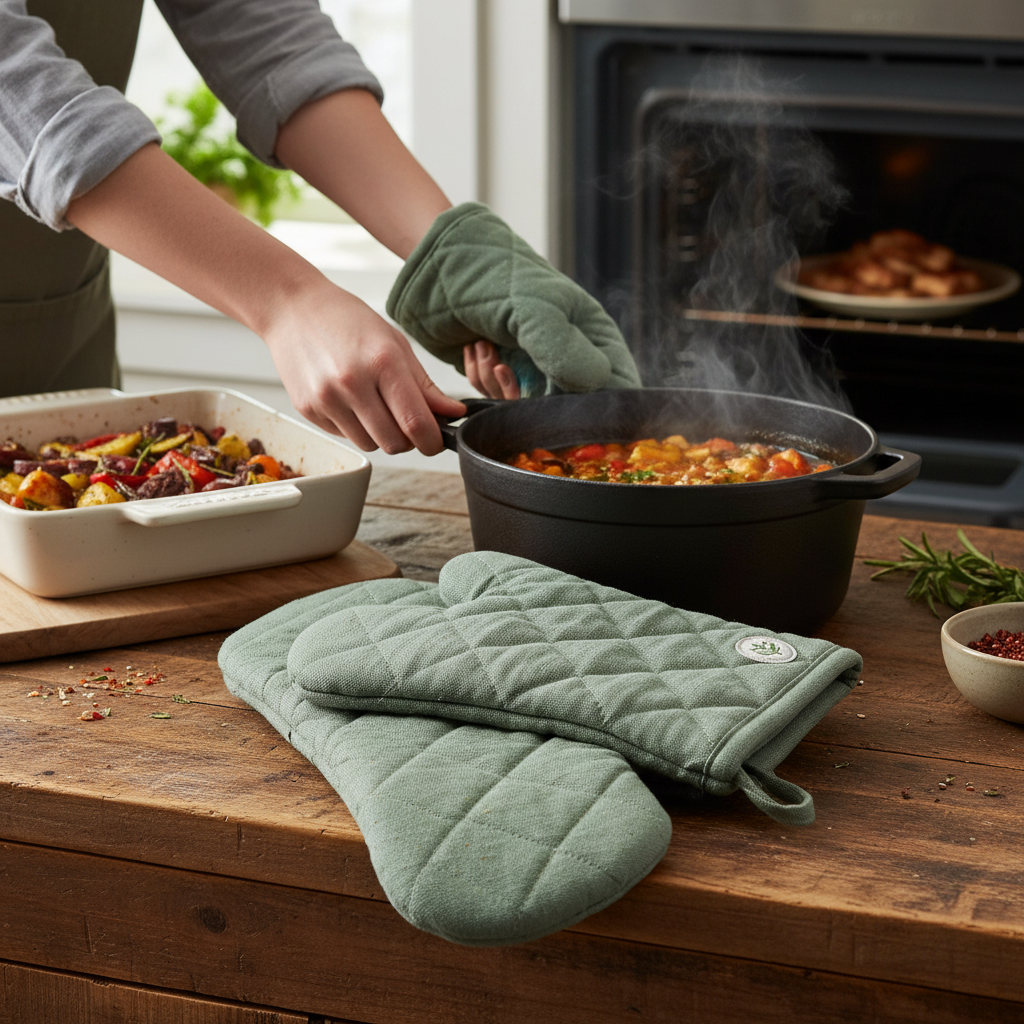
The kitchen is the heart of the home, a place of culinary creation and warmth. Within this bustling space, oven mitts stand as silent guardians, shielding our hands from extreme heat. Yet, these essential tools often face a hidden enemy: moisture, which can lead to ineffective protection and, worse, unsightly and unhealthy mold growth. Learning the correct way to dry your thick oven mitts is not just about extending their lifespan; it’s about maintaining kitchen hygiene and, crucially, your safety.
Handling hot items with a damp oven mitt is a dangerous gamble. Water conducts heat far more efficiently than dry fabric, meaning a seemingly minor splash could compromise your mitt’s protective barrier, potentially leading to severe burns. Beyond immediate safety, moisture trapped within thick materials creates a perfect breeding ground for mold and mildew. These fungi can compromise the mitt’s integrity, produce unpleasant odors, and pose health risks. Understanding how to banish moisture completely is the first step toward a safer, cleaner kitchen.
Understanding Your Oven Mitts: Material Matters
Before diving into drying techniques, it’s vital to recognize that not all oven mitts are created equal. The material dictates the best approach to cleaning and drying, ensuring both efficacy and longevity.
- Silicone Mitts: These are highly heat-resistant and often waterproof on the exterior. Their non-porous nature makes them easy to wipe clean, but the inner fabric lining (if present) can still trap moisture, making thorough drying crucial.
- Fabric/Cotton Mitts: Traditional and comfortable, these mitts are breathable but highly absorbent. They can soak up spills and sweat, making them prone to retaining moisture and requiring meticulous drying to prevent mold.
- Hybrid Mitts: Combining materials like silicone grips with fabric bodies, these require a balanced approach, often prioritizing the care instructions for the most absorbent or sensitive component.
Always check for a care label on your oven mitts, as manufacturer guidelines are the most reliable source for specific washing and drying instructions.
The Art of Drying: A Step-by-Step Guide
Proper drying is an art, especially for thick oven mitts designed for serious heat protection. The goal is complete moisture evaporation, both inside and out.
For Silicone Mitts
While the exterior of silicone mitts repels water, their fabric linings are prime spots for moisture retention.
- Air Dry Exclusively: Unlike some fabric mitts, silicone oven mitts should never be put in a machine dryer. High heat can damage the silicone, causing it to lose its heat-resistant properties, deform, or even melt.
- Turn Inside Out: For a truly thorough dry, especially after machine washing, begin by turning your silicone mitts inside out. This exposes the interior fabric lining directly to the air, allowing it to dry completely. Once the inside is bone dry, turn them right side out to allow the exterior to air out.
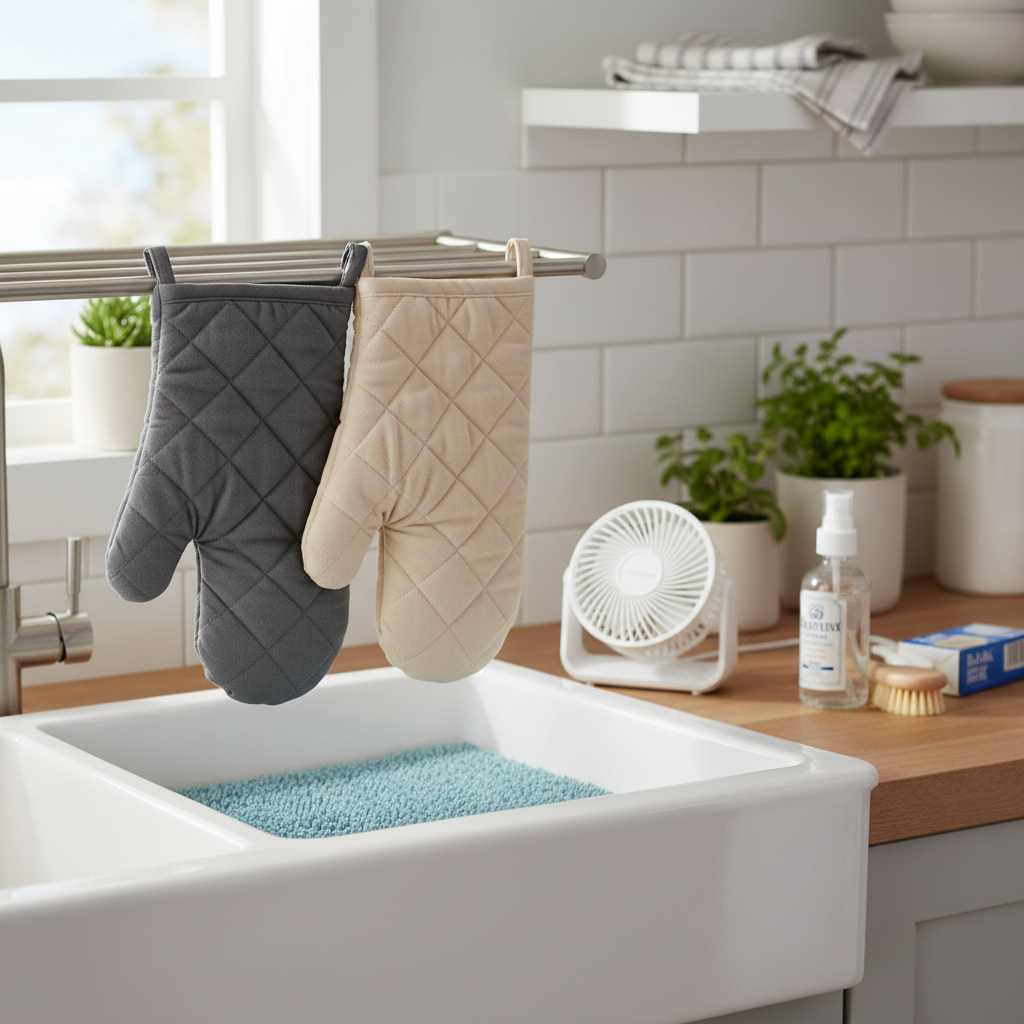
- Optimal Drying Spots: Hang silicone mitts on a clothesline, place them on a drying rack near an open window, or position them in any cool, well-ventilated area with good airflow. A gentle breeze is a silicone mitt’s best friend.
- Spot Cleaning: For minor splashes or stains, spot clean with a soapy rag and then wipe thoroughly dry with a clean towel. This avoids full saturation and speeds up the drying process.
|
Our Picks for the Best Oven mitts in 2026
As an Amazon Associate I earn from qualifying purchases.
|
||
| Num | Product | Action |
|---|---|---|
| 1 | Silicone Oven Mitts (2 PCS), Waterproof Non Slip Grip Oven Gloves with Thick Soft Cotton Lining, Universal Fit Heat Resistant Kitchen Gloves for Baking, BBQ, Cooking and Grilling - White |

|
| 2 | KEGOUU Oven Mitts and Pot Holders 6pcs Set, Kitchen Oven Glove High Heat Resistant 500 Degree Extra Long Oven Mitts and Potholder with Non-Slip Silicone Surface for Cooking (Grey) |
|
| 3 | Heat Resistant Gloves for Cooking Thickened Silicone Coating Cotton Liner Waterproof Food Grade Graffiti-Art Printing Medium |
|
| 4 | KitchenAid Beacon Two-Tone Non-Slip Mini Oven Mitt Set, Milkshake/Beige, 5.5"x8", 2 Piece |
|
| 5 | BPA-Free Silicone Oven Mitts Ultra Heat Resistant up to 500°F - Oven Mitts with Thick Cotton Liner - Long Slip Resistant Pot Holders, Flexible Oven Gloves - Black 13.7" |
|
| 6 | KitchenAid Gingham Oven Mitt 2-Pack Set, Milkshake, 7"x13" |
|
| 7 | GORILLA GRIP BPA-Free Soft Silicone Oven Mitts, 550F Heat Resistant Waterproof Cooking Safety Gloves, Thick Cotton Lining, Flexible Gripping for BBQ Grilling, Kitchen Potholders Set, 12.5x8.3, Black |
|
| 8 | KITCHENAID Ribbed Soft Silicone Oven Mitt 2-Pack Set, 7.5"x13", Milkshake |
|
| 9 | Hovico Silicone Oven Mitts, Heat Resistant 500F Kitchen Mitts 2PCS, 11.6" BPA-Free Soft Baking Gloves, Non-Slip Grip Oven Gloves with Soft Cotton Lining for Kitchen Cooking Baking BBQ - Black |
|
| 10 | Oven Mitts and Pan Racks 4-Piece Set, Extended Kitchen Oven Mitts and Pan Racks, Heat Resistant 500 °F, Silicone Non-Slip Surface for Baking and Cooking (Black) |
|
For Fabric/Cotton Mitts
Fabric mitts are comfortable but demand careful drying to prevent a soggy interior that fosters mold.
- Consult Care Labels: Always check the manufacturer’s care instructions first. Many cotton mitts are machine washable and can be tumble-dried on a low setting. However, if the mitt is particularly thick, low heat might not be sufficient for complete drying.
- Prioritize Air Drying: Even if tumble drying is an option, air drying is often the safest and most effective method for thick fabric mitts. Hang them to allow air to circulate around them.
- Ensure Complete Dryness: Whether air drying or tumble drying, it is absolutely critical that fabric mitts are completely dry before storage or reuse. Any lingering dampness, especially deep within the padding, will lead to mildew. If machine drying, you may need to run them through multiple cycles on low heat, checking periodically.
- Avoid Fabric Softeners: When washing fabric mitts, avoid fabric softeners, as they can sometimes reduce the heat-resistant properties of the material.
General Best Practices for All Mitts
These practices apply regardless of material, promoting efficient drying and long-term mitt health.
- Maximize Airflow: Good air circulation is paramount. Avoid bunching mitts up or leaving them in a pile. Hanging them individually on hooks or a drying rack allows air to reach all surfaces.
- Steer Clear of Direct Heat: While drying, do not place mitts directly on hot surfaces like active stoves or radiators, as extreme heat can damage materials, especially silicone, and compromise their protective qualities.
- Routine Inspection: Periodically inspect your mitts for any signs of dampness, particularly in the seams or thicker areas. A quick check can prevent mold before it takes hold.
Preventing Mold and Mildew: Beyond Just Drying
Drying is half the battle; proper storage and cleaning habits are equally important in the ongoing war against mold and mildew.
Proper Storage: A Key to Prevention
Where you keep your oven mitts plays a significant role in their long-term freshness.
- Hang Them High: The best storage method is to hang your mitts on hooks or a towel bar, preferably near your cooking area for easy access, but safely away from direct heat sources. This open storage allows residual moisture to dissipate and ensures continuous airflow.
- Avoid Confined Spaces: Do not stuff mitts into cramped, poorly ventilated drawers or cabinets. These spaces trap moisture and warmth, creating ideal conditions for mold growth.
- Distance from Moisture Zones: Keep mitts away from moisture-prone areas like next to the sink or dishwasher, where they might accidentally get splashed or absorb ambient humidity.
Cleaning for Odor & Mold Prevention
Regular, thorough cleaning prevents the buildup of food particles and moisture that can lead to smells and mold.
- Wash Regularly: If you use your oven mitts frequently, consider washing them weekly. For occasional use, a monthly wash might suffice. Always follow care label instructions.
- Combat Odors with Vinegar: If your mitts have absorbed persistent kitchen smells, a pre-soak can work wonders. Soak them in a solution of one part white vinegar to four parts water for about 15 minutes before washing. Vinegar is a natural deodorizer and can help kill mold spores.
- Baking Soda Boost: Add a quarter cup of baking soda to your wash cycle for an extra deodorizing and cleaning boost, especially for fabric mitts.
- Gentle Detergents: Use a mild detergent and avoid harsh chemicals that could degrade the mitt’s materials or heat-resistant properties.
Extending the Life of Your Oven Mitts
Beyond safety and hygiene, proper care significantly extends the lifespan of your oven mitts. Regularly inspect your mitts for thinning fabric, small holes, or discoloration. These are signs that the heat barrier might be compromised, and it’s time for a replacement. A well-cared-for oven mitt is a reliable partner in the kitchen, protecting your hands for years to come. By consistently following proper drying and storage techniques, you ensure your mitts remain effective, clean, and ready for any culinary challenge.
Conclusion
Ensuring your thick oven mitts are completely dry is a simple yet critical step in maintaining a safe and hygienic kitchen. From air-drying silicone mitts inside out to guaranteeing thorough dryness for fabric varieties, these practices are essential for preventing dangerous burns and discouraging mold growth. By prioritizing proper drying and smart storage, you’re not just taking care of your kitchen tools; you’re safeguarding your hands and health. What drying tips have you found most effective in your own kitchen?
Frequently Asked Questions
Can I put oven mitts in the dryer?
It depends on the material. Silicone oven mitts should always be air-dried to prevent damage from high heat. Many fabric or cotton oven mitts can be tumble-dried on a low setting, but always check the care label first to avoid shrinking or damaging their heat-resistant properties.
How often should I wash my oven mitts?
If you use your oven mitts daily, it’s advisable to wash them weekly. For less frequent use, a monthly cleaning is typically sufficient. Regular washing prevents the buildup of food stains, grease, and odors, which can contribute to mold growth.
How do I remove mold from oven mitts?
For minor mold, pre-soak the mitts in a solution of one part white vinegar to four parts water for 15-30 minutes, then wash according to the care instructions. For stubborn mold, you may need a more potent mold remover, but consider replacing heavily molded mitts as their protective integrity might be compromised.
What causes oven mitts to smell?
Oven mitts often smell due to absorbed cooking odors, grease, or food particles that get trapped in the fabric. Additionally, incomplete drying can lead to mildew and bacterial growth, which produce musty or unpleasant smells. Regular, thorough cleaning and complete drying are key to preventing these odors.