The joy of baking, the sizzle of a stovetop meal, the comforting warmth of a fresh-from-the-oven dish—these are the moments that define a vibrant kitchen. But alongside the culinary delights, there’s always the risk of a burn, a reminder of the intense heat we work with daily. As an admin for reviewusd.com and a passionate kitchenware expert with over a decade of experience, I’ve seen countless tools designed to keep us safe. While store-bought solutions are plentiful, there’s immense satisfaction and often superior performance in crafting your own heat-resistant insulated layer. This guide will empower you to understand the science, choose the right materials, and build your own custom thermal protection for any kitchen task, ensuring safety and comfort in your culinary adventures.
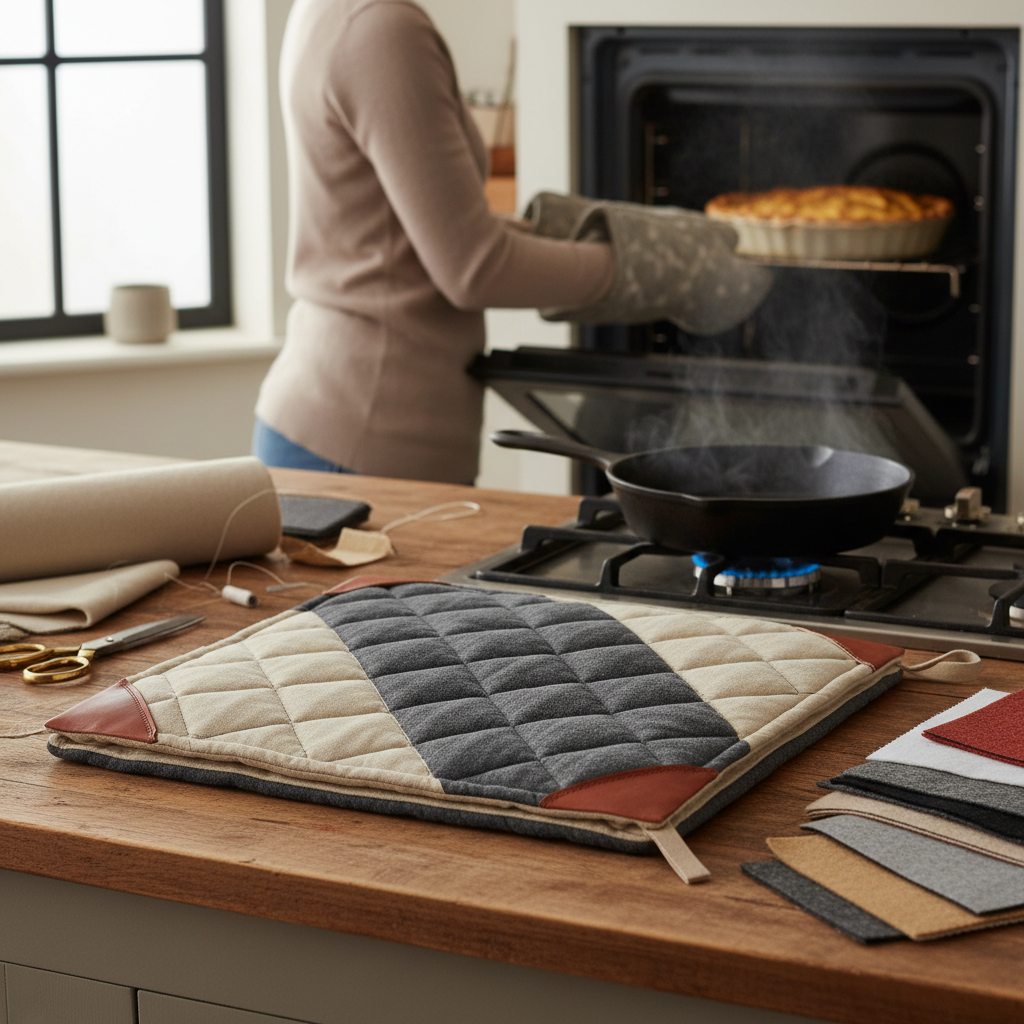
Understanding Heat Resistance: More Than Just “Hot or Cold”
When we talk about protecting ourselves from high temperatures, it’s crucial to understand two distinct concepts: heat resistance and insulation. Heat resistance refers to a material’s ability to withstand direct heat without scorching, melting, or degrading. It prevents the immediate transfer of extreme heat to your skin or surfaces. Insulation, on the other hand, focuses on slowing down the transfer of heat (or cold) over time, keeping things hot longer or preventing rapid cooling. For kitchen items like oven mitts or pot holders, you need both: a material that won’t burn on contact and one that effectively slows heat conduction to protect your hands from sustained warmth. Understanding this distinction is the first step in creating effective DIY thermal layers.
The Building Blocks: Popular Materials for DIY Heat Resistant Layers
The market offers a surprising array of fabrics and battings specifically engineered for thermal protection. Choosing the right one depends entirely on your project’s specific needs and the temperatures it will face.
Thermal Batting: The Insulators
These materials are designed primarily to trap air and reflect radiant heat, providing excellent insulation.
- Insul-Bright: This is perhaps the most well-known thermal batting for home sewers. It’s constructed with hollow, polyester fibers needle-punched through a non-woven substrate, and then through a reflective metalized poly film. The hollow fibers resist heat conduction, while the metallic film reflects radiant energy back to its source, creating a strong thermal barrier. Insul-Bright is machine washable and easy to work with, making it ideal for oven mitts, pot holders, and casserole carriers. However, due to its metallic layer, it should never be used in the microwave. For very high-heat applications, using two layers of Insul-Bright or sandwiching it between layers of cotton batting is recommended.
- Insul-Shine: Also from The Warm Company, Insul-Shine features a reflective material combined with insulating polyester batting. While originally developed for insulating air conditioning ducts or hot water heaters, its sewable nature makes it suitable for DIY projects where a reflective surface and a water barrier are beneficial, such as soft coolers or bottle carriers. Like Insul-Bright, its metallic surface means it is not microwave safe and may dull with repeated washing.
- Solarize: Fairfield’s Solarize is a thin, metallic insulating fabric made from 50% polyester and 50% aluminum. It creates a strong thermal barrier, keeping items hot or cold, and can be used with either the shiny side in or out depending on whether you want to reflect heat or conduct it. It’s versatile for items needing warmth or coolness, but also contains metal and should not be microwaved.
|
Our Picks for the Best Oven mitts in 2026
As an Amazon Associate I earn from qualifying purchases.
|
||
| Num | Product | Action |
|---|---|---|
| 1 | BPA-Free Silicone Oven Mitts Ultra Heat Resistant up to 500°F - Oven Mitts with Thick Cotton Liner - Long Slip Resistant Pot Holders, Flexible Oven Gloves - Black 13.7" |

|
| 2 | Heat Resistant Gloves for Cooking Thickened Silicone Coating Cotton Liner Waterproof Food Grade Graffiti-Art Printing Medium |
|
| 3 | KitchenAid Gingham Oven Mitt 2-Pack Set, Milkshake, 7"x13" |
|
| 4 | KEGOUU Oven Mitts and Pot Holders 6pcs Set, Kitchen Oven Glove High Heat Resistant 500 Degree Extra Long Oven Mitts and Potholder with Non-Slip Silicone Surface for Cooking (Grey) |
|
| 5 | Hovico Silicone Oven Mitts, Heat Resistant 500F Kitchen Mitts 2PCS, 11.6" BPA-Free Soft Baking Gloves, Non-Slip Grip Oven Gloves with Soft Cotton Lining for Kitchen Cooking Baking BBQ - Black |
|
| 6 | KitchenAid Beacon Two-Tone Non-Slip Mini Oven Mitt Set, Milkshake/Beige, 5.5"x8", 2 Piece |
|
| 7 | Oven Mitts and Pan Racks 4-Piece Set, Extended Kitchen Oven Mitts and Pan Racks, Heat Resistant 500 °F, Silicone Non-Slip Surface for Baking and Cooking (Black) |
|
| 8 | KITCHENAID Ribbed Soft Silicone Oven Mitt 2-Pack Set, 7.5"x13", Milkshake |
|
| 9 | Silicone Oven Mitts (2 PCS), Waterproof Non Slip Grip Oven Gloves with Thick Soft Cotton Lining, Universal Fit Heat Resistant Kitchen Gloves for Baking, BBQ, Cooking and Grilling - White |
|
| 10 | GORILLA GRIP BPA-Free Soft Silicone Oven Mitts, 550F Heat Resistant Waterproof Cooking Safety Gloves, Thick Cotton Lining, Flexible Gripping for BBQ Grilling, Kitchen Potholders Set, 12.5x8.3, Black |
|
Thermal Fabrics: The Scorch Protectors
These fabrics are designed to withstand high temperatures directly, preventing scorching or burning of the outer layer.
- Iron Quick: This specialty fabric is made of 100% aluminum with a 100% cotton backing. It’s engineered to protect from heat up to 399˚F (204˚C) without scorching. While excellent for heat protection, it lacks significant insulating properties on its own. For applications like oven mitts that require both heat protection and insulation, Iron Quick is also available in a quilted version, which includes polyester batting for added thermal resistance. It is not microwave safe due to its aluminum content.
- Therma Flec: Similar to Iron Quick, Therma Flec is a lightweight, heat-resistant cloth made from 80% cotton and 20% polyester, scorch-proof up to 360˚F (182˚C). Like Iron Quick, the basic cloth doesn’t provide insulation, but a quilted version is available for projects requiring both heat protection and some thermal buffering, such as hot pads or oven mitts. This material also contains metallic elements and should not be used in the microwave.
Specialized Batting for Microwave Use
For specific kitchen items that need to go into the microwave, safety is paramount.
- Wrap-N-Zap (Pellon): This is the crucial exception among thermal materials. Wrap-N-Zap is a 100% cotton batting specifically designed to be microwave safe. It contains no glues or chemicals that could leach into food, making it perfect for items like insulated baked potato bags or casserole warmers that are heated in the microwave. When using Wrap-N-Zap, it is essential to use only 100% cotton fabrics, threads, and trims for the entire project to maintain its microwave-safe designation.
Other Considerations: Silicone and Natural Fibers
While the focus here is on fabric-based DIY, it’s worth noting other materials:
- Silicone: Commonly used in commercial oven mitts and pot holders, silicone offers excellent heat resistance and a non-slip grip. While you can purchase silicone fabrics, incorporating them into a layered DIY project can be more complex than working with battings.
- Natural Fibers: Thick cotton batting or wool can provide some level of insulation, especially when layered. They are generally microwave-safe (if 100% natural and untreated). However, for intense heat applications, they typically offer less protection than specialized thermal battings like Insul-Bright.
Crafting Your Layer: A DIY Heat Resistant Buying Guide and Construction Tips
Creating your own heat-resistant insulated layer is a rewarding process that allows for customization and precise protection. Follow these guidelines to ensure both effectiveness and safety.
1. Define Your Needs and Expected Temperatures
Before cutting any fabric, consider the primary function of your DIY project. Are you making heavy-duty oven mitts for deep oven retrieval, or a simple hot pad for a warm serving dish? For microwave-specific items like a potato bag, the material choice is critical and differs significantly from standard oven mitts. Understanding the maximum temperatures your item will encounter will guide your material selection and layering strategy.
2. Choose the Right Materials
- For High Heat Protection (up to 350-400°F/175-200°C): Combine Insul-Bright with layers of 100% cotton batting. Quilted versions of Iron Quick or Therma Flec are also excellent choices for the primary insulating layer. For outer fabrics, select durable, tightly woven natural fibers like quilting cotton, canvas, or even denim that can withstand high temperatures without melting.
- For Microwave Use: Wrap-N-Zap is your only safe bet for the insulating layer. Crucially, pair it only with 100% cotton fabrics for the inner and outer layers, and use 100% cotton thread. Any synthetic materials can melt or spark in the microwave.
- For General Insulation (coolers, lunch bags): Insul-Bright, Solarize, or Insul-Shine are effective for maintaining temperature. Outer layers can be anything from durable cotton to waterproof canvas, depending on whether you need it to be washable or wipeable.
3. Layering for Maximum Protection
The key to effective DIY heat resistance is often in the layering. A general safe configuration for oven mitts or pot holders often looks like this:
- Outer Fabric: (e.g., quilting cotton, canvas)
- Layer 1: 100% Cotton Batting (provides a buffer and wicks moisture)
- Layer 2: Thermal Batting (e.g., Insul-Bright or quilted Iron Quick)
- Layer 3: 100% Cotton Batting (another buffer layer)
- Inner Fabric: (e.g., quilting cotton for comfort)
For very high heat or extended contact, consider using two layers of thermal batting, or adding an extra layer of cotton batting. The air trapped between layers is also a crucial insulator.
4. Design and Fit Considerations
- Length: For oven mitts, ensure the design extends well past your wrist, protecting your forearm from hot oven racks or pot edges.
- Flexibility & Dexterity: While layering increases protection, avoid making the item so bulky that it impedes your ability to grip firmly and safely. Test your design with various layers before final assembly.
- Durability: Use strong polyester or cotton thread and reinforce seams, especially where stress will be applied (e.g., the thumb area of an oven mitt). Quilting the layers together can also help prevent shifting and maintain insulation over time.
5. Safety First
- Microwave Caution: This cannot be stressed enough: NEVER microwave items made with metallic-layered thermal battings like Insul-Bright, Insul-Shine, Solarize, Iron Quick, or Therma Flec. The metallic content can cause arcing and potentially start a fire. Only use Wrap-N-Zap for microwave-specific projects.
- Temperature Limits: Be aware of the maximum temperature ratings for your chosen materials. Even the best DIY layer has its limits.
- Testing: Always test your newly crafted item with moderate heat before tackling an extremely hot dish.
- Replace When Worn: Over time, insulation can compress, and fabrics can degrade. Inspect your homemade items regularly for thinning, holes, or signs of wear and replace them when necessary to ensure continued safety.
Popular Components & Where to Find Them
Many reputable brands specialize in thermal materials. The Warm Company is well-known for Insul-Bright and Insul-Shine. Fairfield produces Solarize, and Pellon offers Wrap-N-Zap and Thermolam. These products are widely available at major online fabric retailers like Fabric.com and Amazon, as well as in local craft and quilting stores. Don’t hesitate to ask store associates for advice on specific applications.
Caring for Your Homemade Heat-Resistant Items
Proper care extends the life and effectiveness of your DIY creations. Most thermal battings and fabrics are machine washable. However, always check the specific care instructions for each material you’ve used. For items with metallic layers (like Insul-Bright or Iron Quick), air drying is highly recommended to prevent the reflective coating from dulling or potentially damaging the material in a hot dryer. Regularly inspect your items for any signs of wear, such as thinning spots or tears, as compromised areas can reduce their protective capabilities.
Conclusion
Creating your own heat-resistant insulated layers for the kitchen is a fantastic way to combine practicality with personal style. By understanding the distinct roles of heat resistance and insulation, carefully selecting the right materials—whether it’s the reflective power of Insul-Bright or the microwave-safe reliability of Wrap-N-Zap—and employing thoughtful layering techniques, you can craft items that provide superior protection. Always prioritize safety, knowing the limitations of your materials and diligently caring for your handmade treasures. With every custom oven mitt or pot holder, you’re not just making a tool; you’re infusing your kitchen with a personal touch of safety and creativity. What innovative heat-resistant project will you tackle next to enhance your culinary journey?
Frequently Asked Questions
Is regular cotton batting enough for oven mitts?
While 100% cotton batting provides some basic insulation by trapping air, it typically isn’t sufficient for protecting hands from the high, sustained heat of an oven. For effective oven mitts, it is strongly recommended to incorporate specialized thermal battings like Insul-Bright, often layered with cotton batting for enhanced protection against both conductive and radiant heat.
What’s the difference between heat resistant and insulated materials?
Heat-resistant materials can withstand direct high temperatures without scorching or melting, protecting surfaces from immediate damage. Insulated materials, conversely, slow down the transfer of heat (or cold) over time, maintaining temperature. For kitchen safety, items often need both qualities: a heat-resistant outer layer and insulating layers beneath.
Can I make a microwave-safe potato bag with Insul-Bright?
No, Insul-Bright contains a metallic film which makes it unsuitable for microwave use. Microwaving items with metallic components can cause arcing, potentially damaging your microwave or starting a fire. For microwave-safe projects like potato bags, you must use specific 100% cotton microwave-safe batting, such as Pellon’s Wrap-N-Zap.
How many layers of heat-resistant fabric do I need for good protection?
For optimal protection, especially for oven mitts, a common and effective layering approach includes an outer fabric, a layer of 100% cotton batting, one or two layers of specialized thermal batting (like Insul-Bright), another layer of cotton batting, and an inner fabric. The exact number can vary based on the specific materials and the intended use’s heat intensity.
Are there natural, non-synthetic options for heat resistance?
Yes, certain natural fibers like thick wool or tightly woven cotton batting can offer some heat resistance and insulation. However, for applications involving very high heat, such as handling items directly from a hot oven, specialized synthetic thermal battings often provide superior protection and durability compared to solely natural materials.
How often should I replace my homemade oven mitts?
It’s advisable to replace homemade oven mitts or other heat-resistant items when you notice signs of wear and tear, such as thinning spots, holes, compressed batting, or any degradation of the fabric. The effectiveness of thermal protection diminishes over time with use and washing, making regular inspection crucial for continued safety in the kitchen.