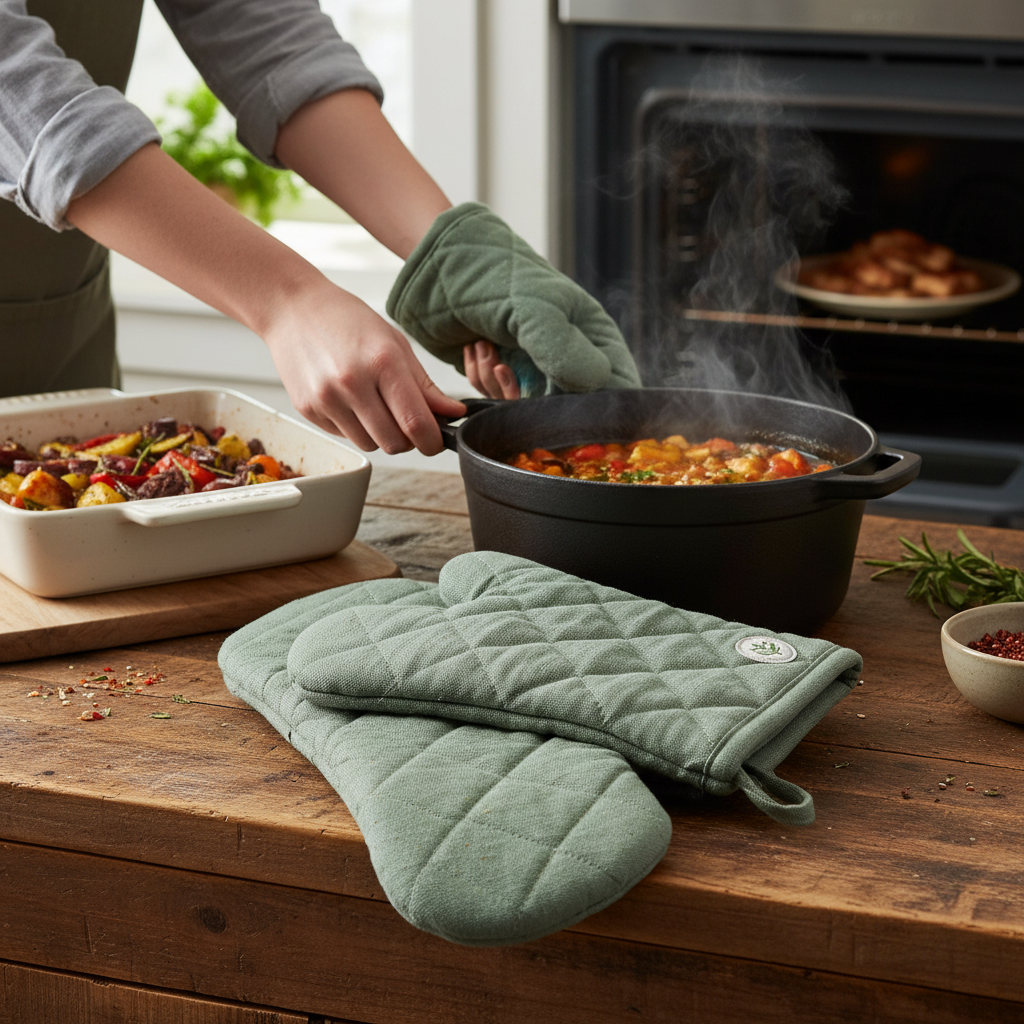
In the bustling heart of any kitchen, oven mitts are unsung heroes, shielding our hands from searing heat. Yet, these kitchen essentials often come into direct contact with raw meat, posing a significant risk of cross-contamination. Neglecting to properly sanitize oven mitts after handling raw poultry, beef, or other meats can turn them into silent carriers of harmful bacteria like Salmonella and E. coli, potentially leading to foodborne illness. Ensuring your oven mitts are impeccably clean isn’t just about hygiene; it’s a critical step in safeguarding your family’s health and maintaining a truly safe culinary environment.
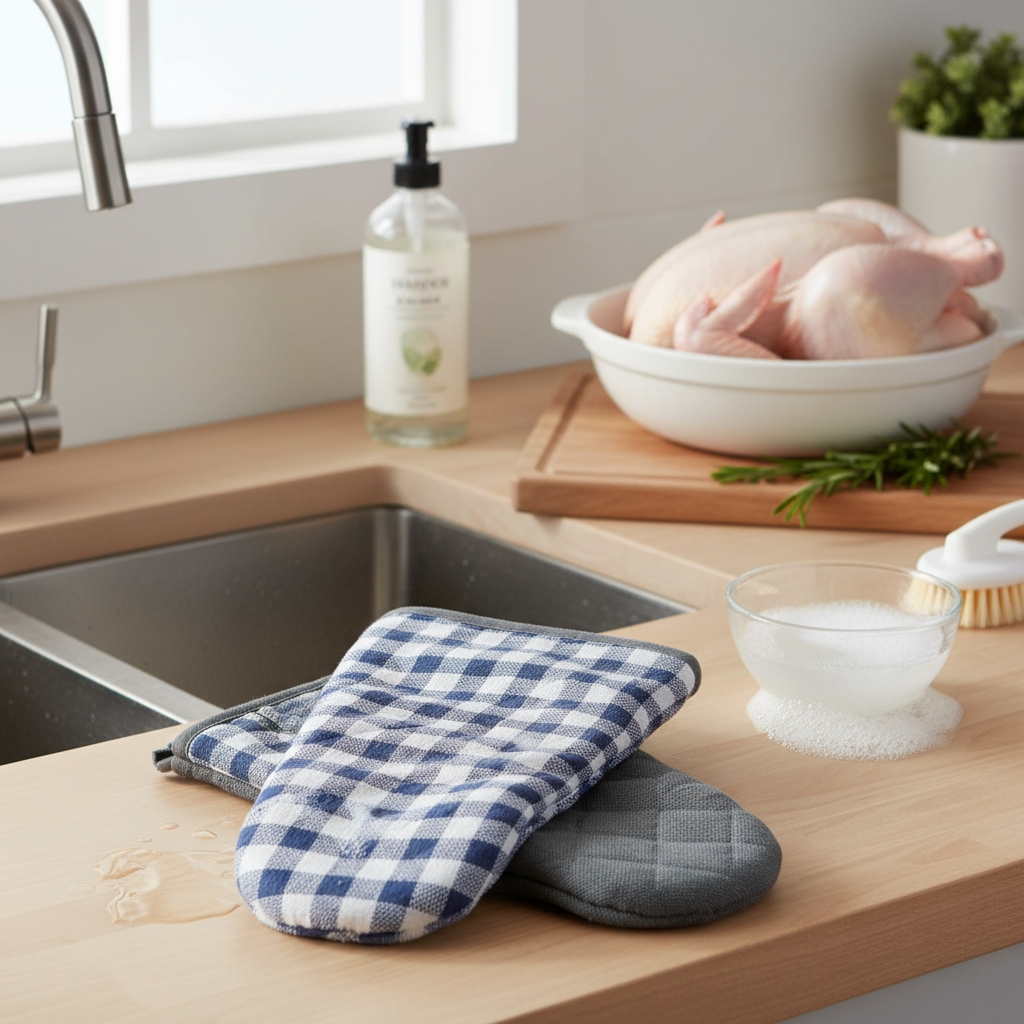
The Hidden Danger: Why Sanitizing Oven Mitts is Crucial
Every time raw meat enters your kitchen, it brings with it microscopic bacteria that can easily transfer to surfaces, utensils, and even your oven mitts. This invisible transfer, known as cross-contamination, is a leading cause of foodborne diseases. Oven mitts, due to their absorbent nature (fabric) or tactile contact (silicone), are prime candidates for picking up these pathogens. If not properly cleaned and sanitized, these bacteria can then spread to cooked food, clean dishes, or other kitchen surfaces, undermining all your efforts for safe food preparation. A diligent sanitization routine is your best defense against these unseen threats.
Understanding Your Oven Mitts: Material Matters
The effectiveness and method of sanitizing your oven mitts largely depend on their material. Modern kitchen mitts typically fall into two main categories: fabric and silicone.
- Fabric Oven Mitts: Often made from cotton, terry cloth, or blends, these mitts are excellent for heat insulation but highly absorbent. They can easily soak up raw meat juices, making thorough cleaning essential.
- Silicone Oven Mitts: Known for their heat resistance and waterproof properties, silicone mitts offer a different challenge. While their non-porous surface makes them less likely to absorb liquids, crevices and inner linings can still harbor bacteria.
Understanding the unique characteristics of each material is the first step toward choosing the most effective sanitization strategy.
Step-by-Step Guide to Sanitizing Fabric Oven Mitts
Fabric oven mitts require a robust cleaning process to eliminate bacteria and ensure they are safe for future use. Follow these steps for thorough sanitization:
Immediate Action and Pre-treatment
As soon as your fabric mitts come into contact with raw meat, act quickly. Scrape off any visible food particles or debris. For stubborn stains, pre-treatment is key:
- Protein-Based Stains (e.g., blood, meat juices): Rinse the affected area immediately with cold water. Hot water can “cook” protein stains, setting them permanently into the fabric.
- Grease Stains: Apply a paste made from baking soda and a little water directly to the grease. Let it sit for a few hours or even overnight to absorb the oil before washing. You can also use a dab of dish soap directly on the greasy spot.
|
Our Picks for the Best Oven mitts in 2026
As an Amazon Associate I earn from qualifying purchases.
|
||
| Num | Product | Action |
|---|---|---|
| 1 | Oven Mitts and Pan Racks 4-Piece Set, Extended Kitchen Oven Mitts and Pan Racks, Heat Resistant 500 °F, Silicone Non-Slip Surface for Baking and Cooking (Black) |

|
| 2 | BPA-Free Silicone Oven Mitts Ultra Heat Resistant up to 500°F - Oven Mitts with Thick Cotton Liner - Long Slip Resistant Pot Holders, Flexible Oven Gloves - Black 13.7" |
|
| 3 | Silicone Oven Mitts (2 PCS), Waterproof Non Slip Grip Oven Gloves with Thick Soft Cotton Lining, Universal Fit Heat Resistant Kitchen Gloves for Baking, BBQ, Cooking and Grilling - White |
|
| 4 | GORILLA GRIP BPA-Free Soft Silicone Oven Mitts, 550F Heat Resistant Waterproof Cooking Safety Gloves, Thick Cotton Lining, Flexible Gripping for BBQ Grilling, Kitchen Potholders Set, 12.5x8.3, Black |
|
| 5 | Heat Resistant Gloves for Cooking Thickened Silicone Coating Cotton Liner Waterproof Food Grade Graffiti-Art Printing Medium |
|
| 6 | Hovico Silicone Oven Mitts, Heat Resistant 500F Kitchen Mitts 2PCS, 11.6" BPA-Free Soft Baking Gloves, Non-Slip Grip Oven Gloves with Soft Cotton Lining for Kitchen Cooking Baking BBQ - Black |
|
| 7 | KEGOUU Oven Mitts and Pot Holders 6pcs Set, Kitchen Oven Glove High Heat Resistant 500 Degree Extra Long Oven Mitts and Potholder with Non-Slip Silicone Surface for Cooking (Grey) |
|
| 8 | KitchenAid Gingham Oven Mitt 2-Pack Set, Milkshake, 7"x13" |
|
| 9 | KITCHENAID Ribbed Soft Silicone Oven Mitt 2-Pack Set, 7.5"x13", Milkshake |
|
| 10 | KitchenAid Beacon Two-Tone Non-Slip Mini Oven Mitt Set, Milkshake/Beige, 5.5"x8", 2 Piece |
|
Machine Washing for Deep Clean
The washing machine is your most effective tool for sanitizing fabric oven mitts.
- Hot Water Cycle: Use the hottest water setting your mitts can tolerate, as high temperatures are crucial for killing bacteria.
- Mild Detergent: Add your regular mild laundry detergent. For an extra boost against bacteria, consider adding a cup of white vinegar to the wash cycle or a laundry sanitizer.
- Separate Laundry: If your mitts are heavily soiled with raw meat juices or strong odors, wash them separately from other laundry to prevent cross-contamination to clean clothes.
- Avoid Fabric Softeners: Fabric softeners can reduce the absorbency and heat resistance of your mitts over time, making them less effective.
Proper Drying
Drying fabric oven mitts correctly is as important as washing them to prevent mildew and ensure they maintain their shape and protective qualities.
- Air Dry: Ideally, air dry fabric mitts completely. Hang them in a well-ventilated area or use a drying rack.
- Low Heat Setting: If using a dryer, opt for a low heat setting to prevent shrinkage or damage to the fibers. Ensure they are bone dry before storing them.
When to Retire Fabric Mitts
Even with the best care, fabric mitts have a lifespan. Replace them if they show signs of thinning fabric, have holes, exhibit persistent stains or odors that won’t wash out, or feel less heat-resistant than before. A compromised mitt is a safety hazard.
Step-by-Step Guide to Sanitizing Silicone Oven Mitts
Silicone oven mitts, with their non-porous surfaces, often require a slightly different cleaning approach than their fabric counterparts.
Immediate Action
After handling raw meat, immediately wipe down any visible raw meat juices from the silicone surface with a paper towel and discard it.
Hand Washing Method
For a thorough clean, hand washing is highly effective for silicone mitts.
- Warm, Soapy Water: Fill a sink or basin with warm water and a generous amount of mild dish soap.
- Thorough Scrub: Turn the silicone mitts inside out if possible to expose the interior. Use a sponge or a soft-bristled brush to thoroughly scrub both the interior and exterior surfaces, paying close attention to any textured areas or seams where food particles might hide.
- Rinse Thoroughly: Rinse the mitts under clean, warm running water until all soap suds are gone.
- Disinfecting Soak (Optional but Recommended): For an extra layer of sanitization, especially after raw meat contact, soak the silicone mitts in a solution of one part white vinegar to three parts water for about 30 minutes. White vinegar is a natural disinfectant. After soaking, rinse them thoroughly again with clean water.
Dishwasher Method
Many silicone oven mitts are dishwasher-safe, making this a convenient option for sanitization.
- Check Care Labels: Always verify that your specific silicone mitts are dishwasher-safe by checking the manufacturer’s care instructions.
- Top Rack Placement: Place the mitts on the top rack of your dishwasher. The high heat and detergent in a dishwasher cycle effectively clean and sanitize the silicone.
Proper Drying
Silicone mitts also need proper drying to prevent any moisture-related issues, especially if they have a fabric lining.
- Air Dry Completely: Shake off excess water and allow the silicone mitts to air dry completely. You can hang them or place them on a drying rack.
- Avoid Direct Sunlight: Prolonged exposure to direct sunlight can potentially degrade silicone over time, so dry them in a shaded, well-ventilated area.
Beyond Cleaning: Preventing Cross-Contamination in Your Kitchen
Effective sanitization extends beyond just cleaning the mitts themselves; it involves adopting broader food safety practices to prevent contamination.
- Designate Specific Mitts: If possible, consider having a pair of oven mitts specifically designated for tasks involving raw meat. This visual cue can help prevent accidental cross-contamination.
- Disposable Alternatives: When direct, messy contact with raw meat juices is unavoidable, consider using disposable gloves or heavy-duty paper towels as a barrier before putting on your oven mitts.
- Handwashing is Paramount: Always wash your hands thoroughly with soap and warm water for at least 20 seconds after handling raw meat and before touching your oven mitts or any other kitchen item.
- General Kitchen Hygiene: Maintain separate cutting boards for raw meat and produce, and clean all countertops and utensils that come into contact with raw meat immediately with hot, soapy water.
When to Replace Your Oven Mitts
Knowing when to replace your oven mitts is critical for ongoing safety. Even with diligent cleaning, wear and tear can compromise their protective qualities and hygiene.
- Signs of Wear: If fabric mitts show thinning, tears, or holes, or if silicone mitts have cracks or significant damage, their heat resistance and protective barrier are compromised.
- Persistent Stains or Odors: If, after thorough cleaning and sanitizing, your mitts still retain strong odors or indelible stains from raw meat, it’s a sign that bacteria or residues might be deeply embedded.
- Loss of Functionality: If you start feeling more heat through your oven mitts than usual, it indicates a loss of insulation, making them unsafe to use.
Prioritizing timely replacement ensures your kitchen remains a safe and efficient space for all your culinary adventures.
Expert Insights on Food Safety
“Consistent and thorough cleaning practices, especially for items that touch raw proteins, are non-negotiable in preventing foodborne illnesses. Don’t underestimate the role of seemingly minor kitchen tools like oven mitts in maintaining overall food safety.”
Conclusion
Sanitizing your oven mitts after handling raw meat is not merely a chore; it’s an essential food safety practice that protects your household from potentially harmful bacteria. Whether you use fabric or silicone mitts, understanding the correct cleaning and disinfecting methods ensures they remain effective heat barriers and hygienic tools in your kitchen. By integrating these diligent cleaning routines and adopting broader cross-contamination prevention strategies, you can confidently navigate your culinary tasks, knowing you’ve taken every step to create a safe and healthy eating environment. What steps will you take today to ensure your oven mitts are always food-safe?
Frequently Asked Questions
Is hot water and soap enough to kill bacteria on oven mitts?
For many household situations, cleaning with hot water and soap can physically remove most bacteria and grime from oven mitts. However, for true sanitization, especially after raw meat contact, a hot washing machine cycle for fabric mitts or a disinfecting soak (like with white vinegar for silicone) provides an extra layer of protection by actively killing remaining pathogens.
Can I use bleach on oven mitts?
While bleach is a powerful disinfectant, it should be used cautiously on oven mitts. For fabric mitts, diluted bleach (approximately one tablespoon per gallon of water) can be used, but always spot-test first to prevent discoloration or damage. Never use chlorine bleach on silicone mitts, as it can weaken the material. Always rinse thoroughly after using bleach solutions.
How often should I sanitize my oven mitts?
If your oven mitts come into contact with raw meat, they should be sanitized immediately after use. For general use, fabric mitts should typically be washed weekly or bi-weekly, or whenever visibly soiled. Silicone mitts, due to their non-porous nature, might require less frequent deep cleaning but should be wiped down after each use and thoroughly washed monthly.
What are the risks of not sanitizing oven mitts after raw meat?
Not sanitizing oven mitts after handling raw meat significantly increases the risk of cross-contamination, where harmful bacteria like Salmonella or E. coli can transfer from the mitts to ready-to-eat foods, clean utensils, or other kitchen surfaces. This can lead to serious foodborne illnesses.
Can silicone oven mitts go in the washing machine?
Most silicone oven mitts are designed to be dishwasher-safe, where the high heat effectively cleans and sanitizes them, typically on the top rack. While some may tolerate a gentle cycle in a washing machine, hand washing with warm soapy water followed by air drying is often the recommended and safest method to preserve their integrity.